

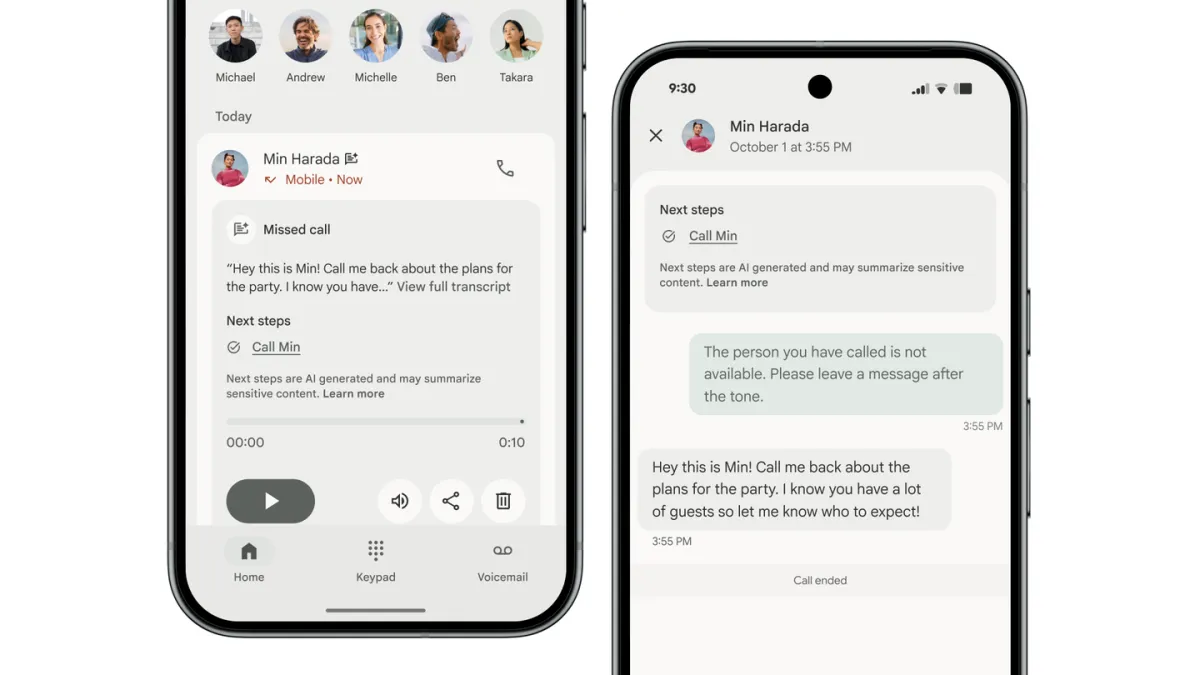
Google's latest Pixel feature, 'Take a Message,' is a significant step in AI-powered call management, merging the best of Call Screen and Call Notes. This isn't just a convenience upgrade; it's a clear signal of Google's ambition to redefine phone interactions, pushing the boundaries of what a smartphone assistant can do for everyday communication. According to the announcement, this integration promises to streamline how users handle unwanted calls and capture crucial information from the ones they do take, setting a new benchmark for intelligent call handling in the mobile industry.
The digital cacophony of modern life often feels like a constant battle against unwanted interruptions. Spam calls, telemarketers, and the sheer volume of incoming communication can turn a smartphone into a source of anxiety rather than connection. Google, long at the forefront of leveraging AI to tame this chaos, is now rolling out 'Take a Message' for Pixel devices, a feature that feels less like an incremental update and more like a strategic consolidation of its most powerful call management tools.
'Take a Message' is, at its core, a sophisticated fusion of Google's lauded Call Screen and the more recent Call Notes. For years, Call Screen has been a godsend for Pixel users, allowing Google Assistant to answer unknown calls, transcribe the conversation in real-time, and let the user decide whether to pick up or dismiss. It’s been a powerful shield against spam and a polite filter for legitimate but inconvenient calls. Call Notes, meanwhile, offered a way to transcribe and summarize calls you *did* take, ensuring no detail was lost in the flurry of conversation.
Now, these two distinct, yet complementary, functionalities are being woven into a single, more intuitive experience. Imagine a scenario where an unknown number rings. Instead of just screening it, 'Take a Message' will not only filter out the junk but also intelligently transcribe and summarize the *reason* for the call, even if you don't pick up. If it's important, you get a concise note. If it's spam, it's handled without a second thought. This isn't just about blocking calls; it's about intelligent triage, ensuring you're only engaging with what truly matters.
The Broader Implications of Intelligent Call Triage
This move by Google isn't just about making Pixel phones slightly better; it's about pushing the entire industry forward in how we interact with our devices for communication. For users, it means a significant reduction in cognitive load. No longer do you need to juggle between screening a call and then remembering to take notes if you decide to answer. The AI handles the heavy lifting, presenting you with actionable information or simply making the problem disappear. This level of seamless integration speaks to a future where our devices are proactive, anticipating our needs and managing our digital lives with minimal intervention.