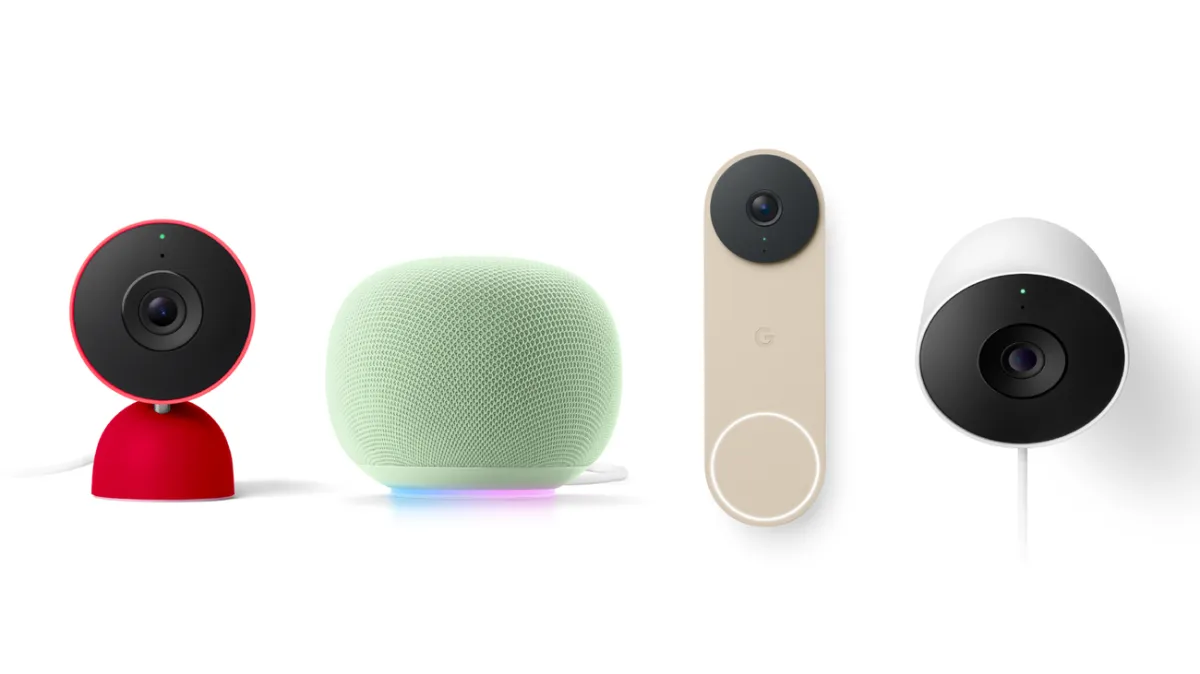
Google's smart home strategy just got a significant, if somewhat opaque, upgrade. The company has quietly confirmed that its newest Google Home devices are now "built for Gemini," signaling a fundamental shift in how its smart home ecosystem will operate. This isn't merely a rebrand of the existing Google Assistant; it's a strategic pivot to embed Google's most advanced AI model directly into the fabric of our homes, promising a future where our devices don't just respond to commands, but anticipate needs and engage in genuinely intelligent conversation.
According to the announcement, the move positions Gemini as the core intelligence powering Google's latest smart home hardware. This isn't a minor tweak; it's Google's boldest play yet to redefine the smart home experience, moving beyond the often-frustrating limitations of traditional voice assistants. For years, Google Assistant, while capable, has struggled with context, multi-turn conversations, and the kind of proactive intelligence that truly makes a smart home feel "smart." Gemini, with its large language model (LLM) capabilities, is designed to address these shortcomings head-on.
The immediate implication for users is the promise of a far more natural and intuitive interaction. Imagine asking your Google Home Gemini device a complex, multi-part question about your schedule, the weather, and then immediately following up with a request to adjust your smart thermostat based on that information, all without needing to re-state context or issue separate commands. Gemini's strength lies in its ability to understand nuance, maintain conversational threads, and process information across different modalities – a stark contrast to the often rigid, command-and-control interface we've grown accustomed to.
This shift also suggests a future where Google Home Gemini devices could become genuinely proactive. Instead of waiting for a prompt, a Gemini-powered device might notice patterns in your energy usage, suggest optimal lighting based on the time of day and your calendar, or even help troubleshoot a smart appliance issue with conversational guidance. The potential for advanced automation, personalized routines, and even on-device learning is immense, moving the smart home from a collection of connected gadgets to a truly intelligent, adaptive environment.
The AI-Powered Smart Home Race
Google's move with Google Home Gemini isn't happening in a vacuum. It's a direct response to, and an escalation of, the burgeoning AI arms race in the consumer tech space. Amazon has been making its own strides with an LLM-powered Alexa, promising a more conversational and capable assistant. Apple, too, is reportedly investing heavily in its own AI models to bolster Siri. By explicitly integrating Gemini into its "newest" Home devices, Google is drawing a clear line in the sand: the future of the smart home is AI-first, and it requires cutting-edge hardware to fully realize that vision.
This emphasis on "newest" devices is crucial. It suggests that while some Gemini features might eventually trickle down to older hardware, the full, uncompromised experience will likely require the latest generation of Google Home products. This could be a strategic move to drive hardware upgrades, positioning these new devices as essential gateways to the next era of smart living. For consumers, it means a potential upgrade cycle is on the horizon if they want to fully leverage Google's AI ambitions.
However, the transition won't be without its challenges. Google has a history of introducing ambitious new features that sometimes fall short of expectations or create user confusion. The success of Google Home Gemini will hinge on seamless integration, robust performance, and a clear value proposition that justifies the upgrade. Privacy concerns will also loom large; a more intelligent AI that understands more about our lives inevitably processes more data, requiring Google to be transparent and diligent in its data handling practices.
Ultimately, Google Home Gemini represents a significant gamble and a massive opportunity. If executed well, it could finally deliver on the long-promised vision of a truly intelligent, intuitive smart home, setting a new benchmark for the industry. If not, it risks becoming another incremental update in a market hungry for genuine innovation. The coming months will reveal whether Google's AI brain can truly make our homes smarter, or just more complex.