

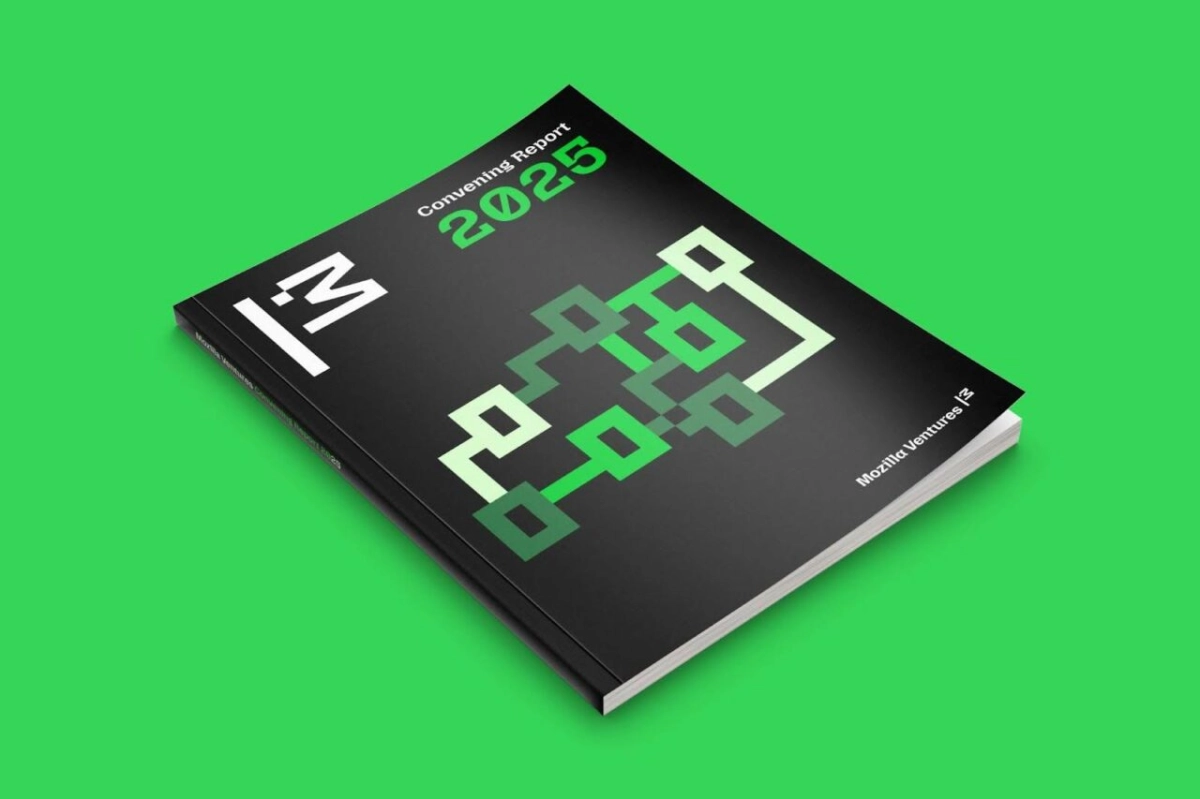
The industry narrative often centers on frontier models controlled by a few dominant labs, but a counter-movement focused on decentralized, ethical development is gaining traction. Mozilla Ventures’ 2025 Portfolio Convening Report offers a crucial blueprint for founders building Responsible AI, demonstrating that openness and public benefit can be competitive advantages. This report captures how 50 startups are actively wrestling with the governance and trust issues reshaping the internet, proving that technology can be built more responsibly and inclusively.
The most significant shift identified is the reclassification of open source from a philosophical ideal to a core business strategy. Founders recognize that in the age of massive proprietary models, transparency regarding weights, data, and governance is the only way to build long-term trust and resilience. This isn't about giving away IP; it's about designing flywheels, like those demonstrated by Union.ai and Jozu, that leverage community contributions to harden technology faster than closed competitors can iterate. True openness means clarity about what is shared, not just open-washing, and choosing investors who understand that this flywheel takes time to spin up.
True Responsible AI demands that ethics be architectural, not merely a compliance layer. Lelapa AI’s approach, treating data not as raw material but as cultural property, fundamentally challenges the extractive norms of Big Tech. Their licensing model, inspired by Māori data sovereignty, ensures that communities, especially marginalized ones, benefit directly from the value created by their linguistic and cultural contributions. This sets a new standard for equitable data governance and demonstrates that accountability must be integrated into the core design.
Overcoming the Inertia of Fear
While ethical ideals drive mission-aligned founders, the real barrier to adoption remains enterprise fear. Organizations default to hyperscalers not out of preference, but out of perceived safety; nobody gets fired for choosing the largest vendor. Overcoming this inertia requires more than just values; it demands operational excellence, meaning the integration of essential, "boring" security features like SSO, RBAC, and robust audit logs. Trust is ultimately earned through reliability and enterprise-grade tooling, not just mission statements, According to the announcement.
The collective message from the Mozilla Ventures portfolio is clear: the future of AI does not have to be centralized or opaque. By treating openness as a strategic asset, investing in community moats, and making data ethics non-negotiable, these founders are proving that competitive companies can be built on a foundation of public benefit. This blueprint provides a necessary counter-narrative to the current AI arms race, showing how trustworthiness and diversity can reinforce market success and shape a more equitable technological future.