


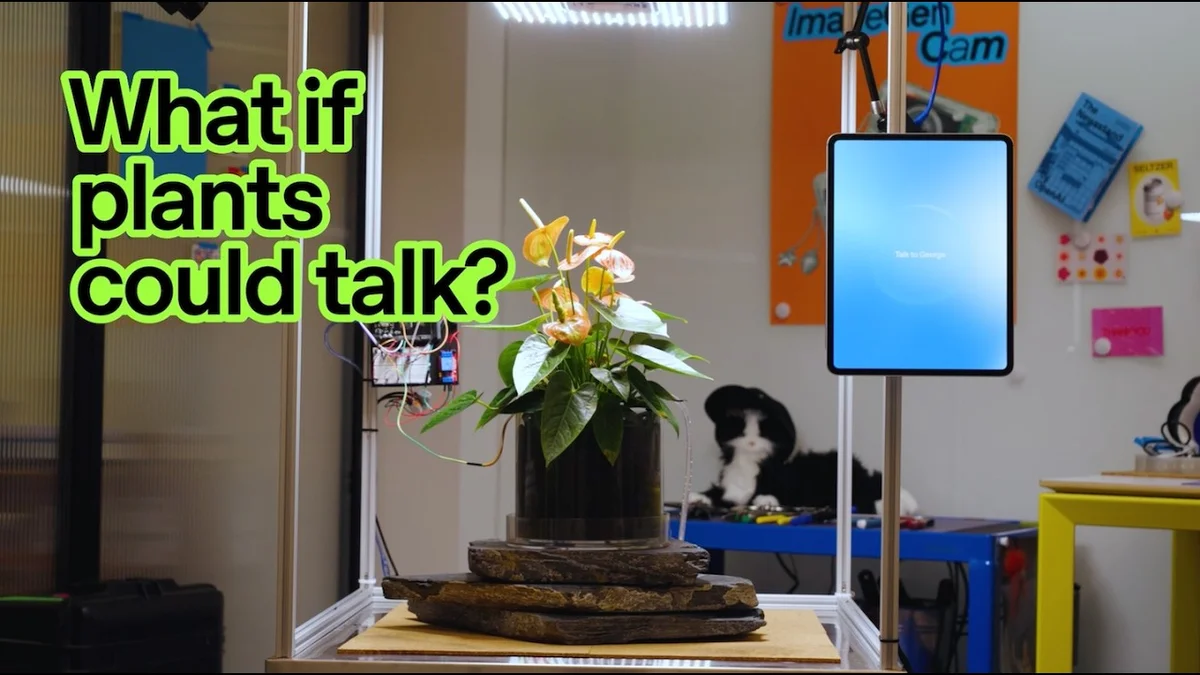
What if your houseplants could tell you exactly what they needed? A recent video explores this fascinating concept, showcasing a project that gives plants a voice through artificial intelligence. The experiment, dubbed 'Plant Talk,' aims to translate a plant's environmental conditions and potential distress signals into human-comprehensible language, demonstrating a novel application of AI in understanding and interacting with the natural world.
The 'Plant Talk' System
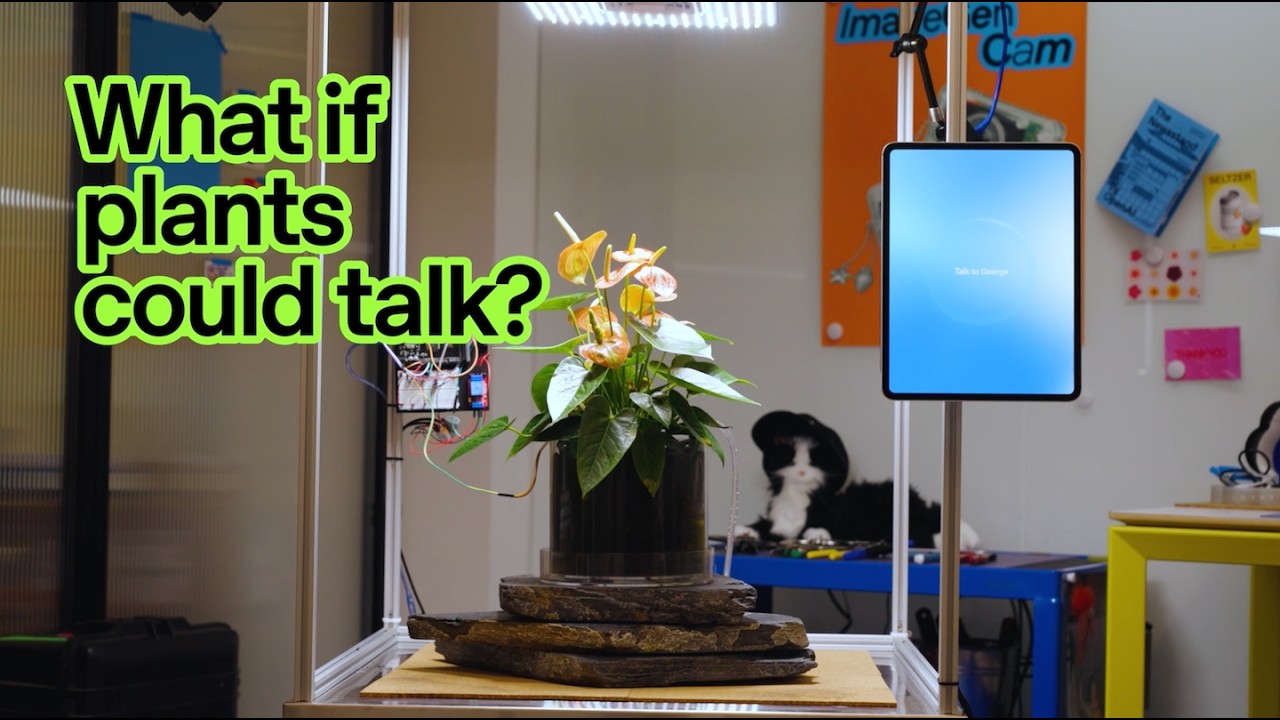
The core of the 'Plant Talk' system involves a collection of sensors meticulously monitoring the plant's environment. These include a camera for visual assessment, a light sensor to gauge illumination levels, a humidity sensor to measure atmospheric moisture, and a moisture sensor placed in the soil to assess water content. This data is then processed by an Arduino microcontroller, which acts as the central hub, collecting and relaying information.
The full discussion can be found on OpenAI Youtube's YouTube channel.
AI Interpretation and Communication
The collected sensor data is fed into a system that leverages AI, specifically mentioning the use of OpenAI's API. The goal is to interpret the plant's state and generate relevant requests or statements. For instance, if the humidity drops too low, the plant might express that it's 'parched' and needs 'just a hint of humidity, please.' Similarly, if the light levels are too intense, it might request 'a little shade,' or conversely, express happiness and being 'absolutely beaming' in optimal conditions.
Bridging the Gap
The project highlights the potential for AI to act as an intermediary between humans and plants, which are otherwise unable to communicate their needs directly. The video shows the system translating visual cues like spots on leaves, which might indicate issues, into spoken requests. This ability to interpret subtle signs and vocalize them could transform plant care, moving beyond guesswork to a more responsive and informed approach. The system's development is described as a practical, hobbyist-friendly build, utilizing basic microcontrollers and cloud-based AI services.