

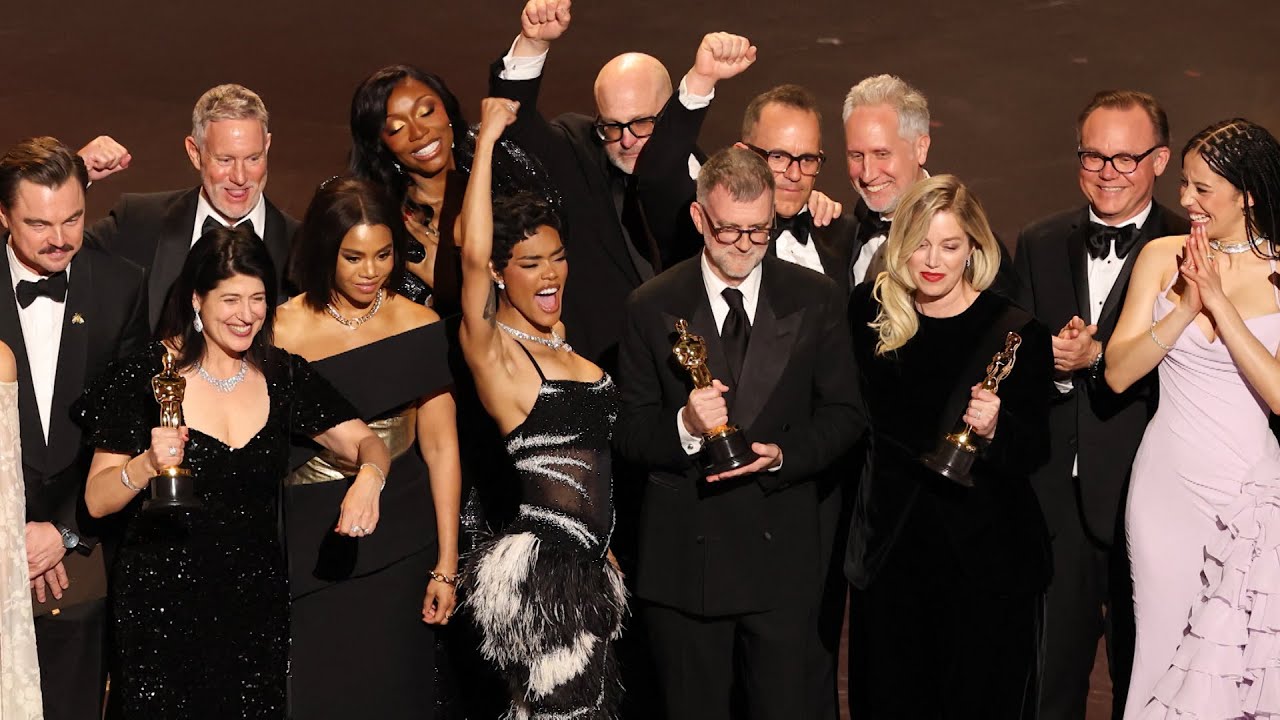
The 95th Academy Awards, held in Los Angeles, was a night of celebration for cinematic achievements, but it also served as a stark reminder of the burgeoning anxieties within Hollywood concerning the rapid advancements and potential impact of artificial intelligence. Amidst the glitz and glamour, the industry grappled with the implications of AI on creative processes, job security, and the very future of filmmaking. Bloomberg News correspondent Chris Palmeri provided insights into the prevailing mood, highlighting how the event unfolded against a backdrop of significant industry angst, with AI emerging as a prominent, albeit sometimes uncomfortable, topic of discussion.
The full discussion can be found on Bloomberg Technology's YouTube channel.
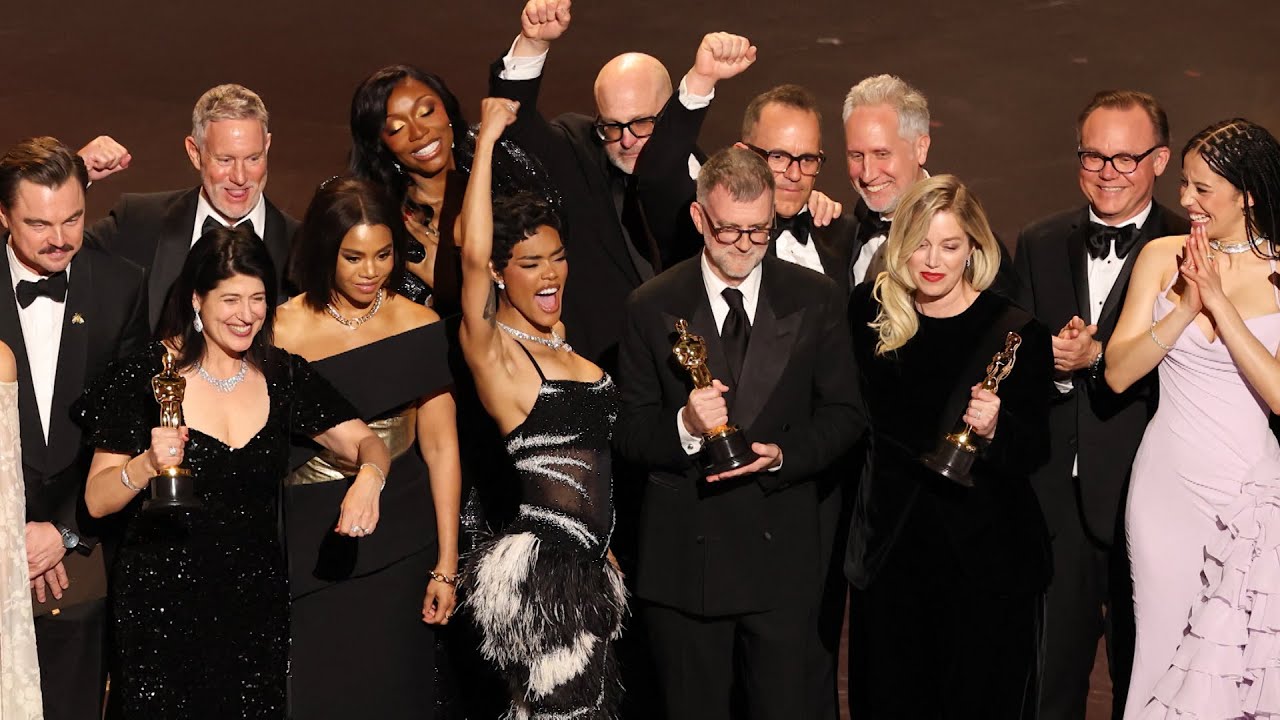
Who is Chris Palmeri?
Chris Palmeri is a seasoned correspondent for Bloomberg News, specializing in covering the business and technology sectors. His reporting often delves into the intersection of media, entertainment, and emerging technologies, making him a key voice in understanding the economic and strategic shifts within industries like Hollywood. His presence on Bloomberg Tech signifies his expertise in dissecting complex industry trends and their financial ramifications.
Hollywood's AI Undercurrent
The conversation around AI at the Oscars was not confined to the potential for AI-generated content, but also encompassed the broader existential questions it poses for creative professionals. Palmeri noted that while the event celebrated traditional filmmaking prowess, the underlying concern about AI's disruptive potential was palpable. He mentioned that the hosts and presenters frequently touched upon AI, often with a blend of humor and apprehension, reflecting a collective industry awareness of the technological wave crashing upon their shores. This indicates a shift from a nascent curiosity about AI to a more direct engagement with its implications for established creative roles and industries.
Warner Bros. Discovery Triumphs
Despite the industry-wide concerns, the night was a significant success for Warner Bros. Discovery. The studio's productions garnered a notable number of accolades, underscoring the continued strength of traditional studio filmmaking. Palmeri highlighted Warner Bros. Discovery as a major winner, with its films performing exceptionally well at the awards. This success story from a major studio provides a counterpoint to the anxieties about AI, demonstrating that human-driven creative vision and execution remain highly valued and critically acclaimed.
'One Battle After Another' and its Oscar Success
One of the standout films of the night was 'One Battle After Another,' which secured the Oscar for Best Picture. Palmeri commented on the film's reception, suggesting that its success was particularly noteworthy given the prevailing industry climate. He noted that the film's narrative and artistic merit resonated strongly, and that its wins helped to offset some of the anxieties about the future of filmmaking. Palmeri pointed out that the film did not delve into political themes that might have been divisive, allowing for a focus on its cinematic achievements. He also humorously suggested that the film's success might have even made the more traditional studios look good in comparison, especially as AI continues to be a topic of discussion.
The film's win, alongside other accolades for Warner Bros. Discovery, served as a reminder of the enduring power of storytelling and the craft of filmmaking. Palmeri implied that the success of these traditional productions offered a moment of reassurance for an industry facing significant technological shifts. The context of the Oscars, a ceremony celebrating human creativity, became a focal point for discussing the balance between technological innovation and artistic integrity.
AI's Presence in the Opening Monologue
The integration of AI into the Oscar narrative was evident from the opening. Palmeri mentioned that host Conan O'Brien's monologue included jokes about AI, reflecting its current prominence in public discourse and within the entertainment industry. This comedic approach, while lighthearted, underscored the fact that AI is no longer a futuristic concept but a present reality that is already influencing creative fields. The inclusion of AI in such a high-profile event signals its growing importance and the industry's ongoing efforts to understand and respond to its impact. Palmeri noted that the jokes were aimed at the attendees, acknowledging the shared concern and the industry's collective contemplation of AI's role.
The Broader Industry Context
The discussion extended beyond the immediate winners and presenters to the wider implications for Hollywood. Palmeri alluded to the ongoing struggles and anxieties within the industry, including mergers, AI advancements, and job losses. The Oscars, therefore, became more than just an awards ceremony; it was a moment for the industry to reflect on its current state and its future trajectory. The success of established studios and the critical acclaim for traditional filmmaking offered a sense of stability amidst the rapid technological changes. However, the persistent conversation around AI underscored the inevitability of adaptation and the need for strategic planning to navigate the evolving landscape of entertainment production.
