


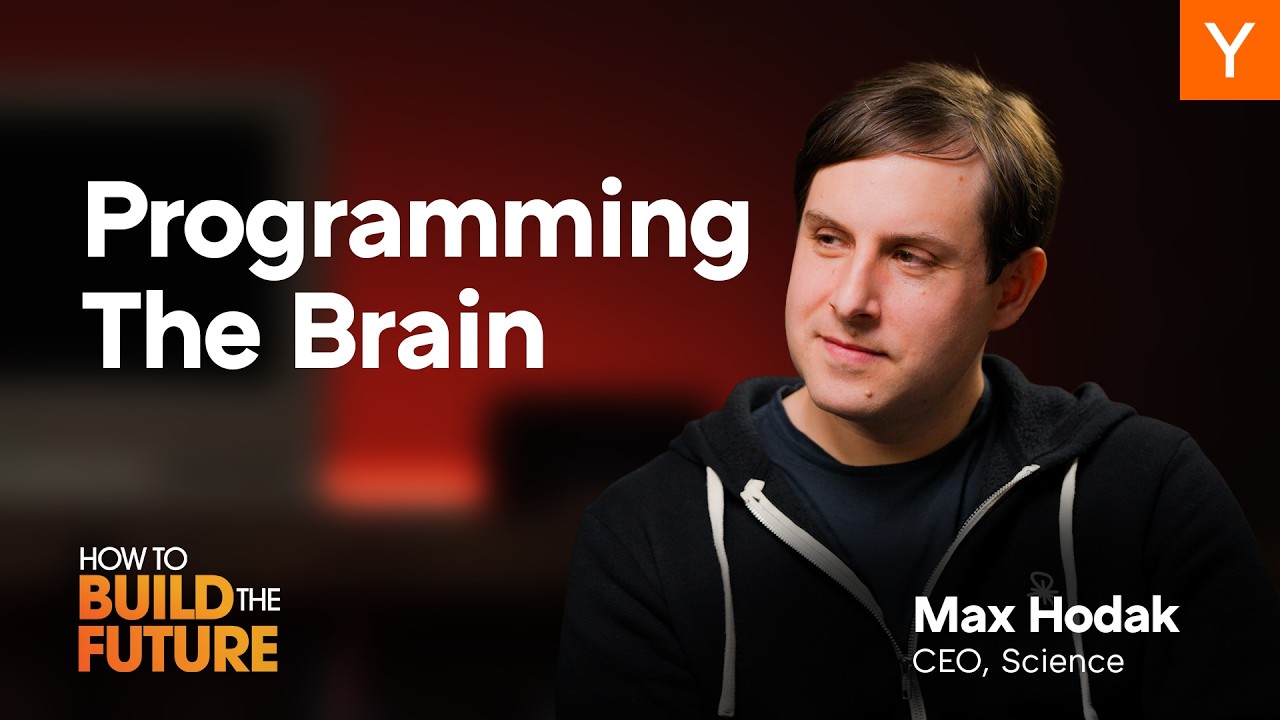
In a recent discussion on the "How to Build the Future" podcast, Max Hodak, founder and CEO of Science Inc., shared his insights on the intersection of artificial intelligence and brain-computer interfaces (BCIs). Hodak, known for his work in neurotechnology and AI, highlighted the rapid advancements in the field and his company's ambitious goals to push the boundaries of human augmentation and capability.
Max Hodak's Vision for Bio-Integrated AI
Hodak articulated a vision where AI is not merely a tool for computation but a partner that can integrate with biological systems to enhance human potential. He emphasized that while current AI excels at specific tasks and pattern recognition, it lacks the generalized intelligence and consciousness that characterize human cognition. "AI is getting very good at specific tasks, but it's not truly understanding the world in the way humans do," Hodak stated, pointing to the limitations in AI's ability to grasp context, common sense, and subjective experience.
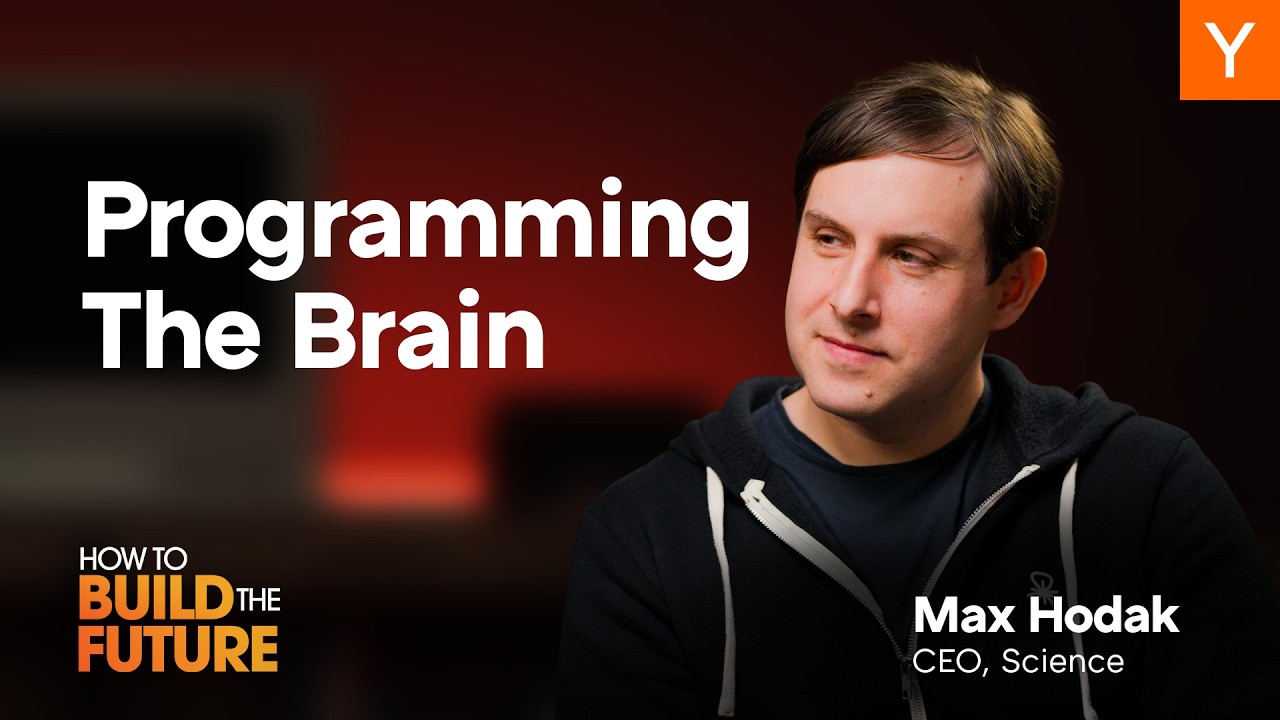
The full discussion can be found on YC's YouTube channel.
Science Inc. is focusing on a more integrated approach, aiming to develop BCIs that can facilitate a deeper connection between the human brain and artificial intelligence. Hodak explained that their work is not just about controlling external devices with thought, but about augmenting cognitive functions and restoring lost capabilities. He mentioned their recent breakthrough in developing a BCI that allows individuals to experience visual input through a matrix of electrodes stimulating the occipital cortex, effectively bypassing the eyes.
The Role of AI in Neuroscience and Healthcare
Hodak elaborated on the potential of AI in understanding the complexities of the human brain. He suggested that AI's pattern-matching abilities can help researchers decode neural signals and identify biomarkers for neurological conditions more effectively than traditional methods. This could lead to breakthroughs in diagnosing and treating diseases like Alzheimer's, Parkinson's, and depression.