

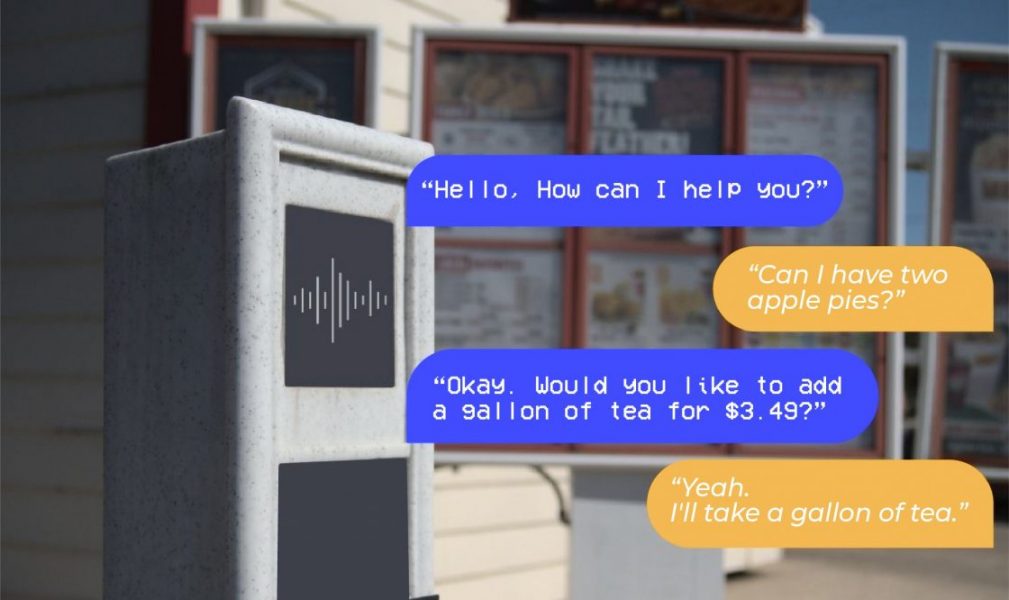
American drive-thru restaurant chain Checkers & Rally’s is adopting the speech recognition developed by Israeli startup Hi Auto. The Tel Aviv-based company's solution is the first of its kind for the restaurant industry. The solution enables restaurants to take orders from drivers through an artificial intelligence system that makes it possible for drivers to converse normally with a virtual assistant at the orders counter.
Checkers & Rally’s has about 900 branches across the US. It will install the solution in all the company-operated stores and in most of the franchised locations. Hi Auto uses a SaaS model and the deal will generate millions of dollars revenue for the company.
Two of the ten largest US fast-food chains are carrying out advanced pilots to test Hi Auto's solution for automated voice ordering. The US fast food market is estimated at $300 billion, and restaurants with drive-thru lanes see up to 80% of their total business there.
The speech recognition technology that Hi Auto has developed enables drivers at the drive-thru lane to converse in natural language with Auto, a smart AI-based virtual assistant, which accepts the order, understands its contents, offers additions and upgrades (upsell) in a human voice, and sends the order to the kitchen. The system has a 95% accuracy rate. It understands complex menus, can understand the customer's half-sentences, multiple detailed requests, and monitors changes in the order that the customer is making during the conversation.
The system effectively functions as an outstanding employee, who does not tire, always comes to work, is always polite, and does not forget to recommend upsells. The system not only helps address the labor shortage crisis in the US restaurant industry, which is losing hundreds of thousands of workers a month, but also improves the restaurant's performance when compared to a human employee. For example, recordings of employees discovered that they only offer upsells for around 10% of orders, while the system does so for around 70% of orders. Because the cost structure of restaurants is mostly comprised of fixed costs, this change has an immediate effect on the bottom line.