


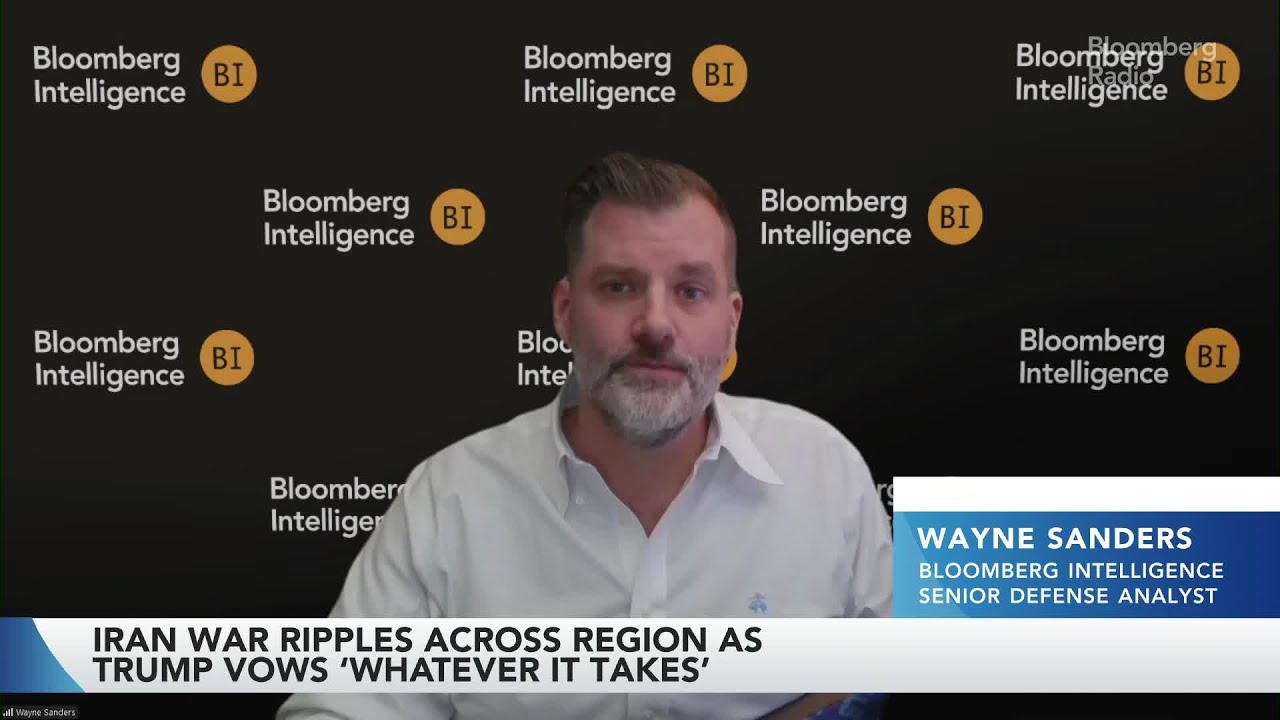
In a discussion on Bloomberg Radio, Wayne Sanders, Senior Defense Analyst at Bloomberg Intelligence, and an unnamed host delve into the strategic implications of Iran's recent military actions, particularly concerning the economic calculus of drone and missile warfare. Sanders highlights a critical disparity in the cost of engagement, where Iran's relatively inexpensive drone and missile technology poses a significant challenge to the United States' reliance on high-cost, advanced air defense systems.
Wayne Sanders: A Defense Analyst's Perspective
Wayne Sanders brings a wealth of experience in defense analysis to the conversation, offering insights into military strategy, technological capabilities, and geopolitical implications. His background suggests a deep understanding of defense spending, weapon systems, and operational planning, making his commentary particularly valuable in assessing the effectiveness and sustainability of military engagements in complex geopolitical landscapes.
The Economics of Conflict: Drones vs. Patriots
Sanders articulates a core thesis that the military's success is often measured by its ability to conduct sustained operations, which is intrinsically linked to its available ordnance. He points out that the U.S. military conducts extensive contingency planning, simulating various scenarios to estimate the required munitions. "In case of a scenario like X or Y," Sanders explains, "when you put those together, you say, 'Okay, I have kill chain analysis, I've run the war game thousands of times, and during that time frame, we think it would take this amount of time, and these are the number of targets, these are also the types of munitions we would need."
The full discussion can be found on Bloomberg Podcast's YouTube channel.
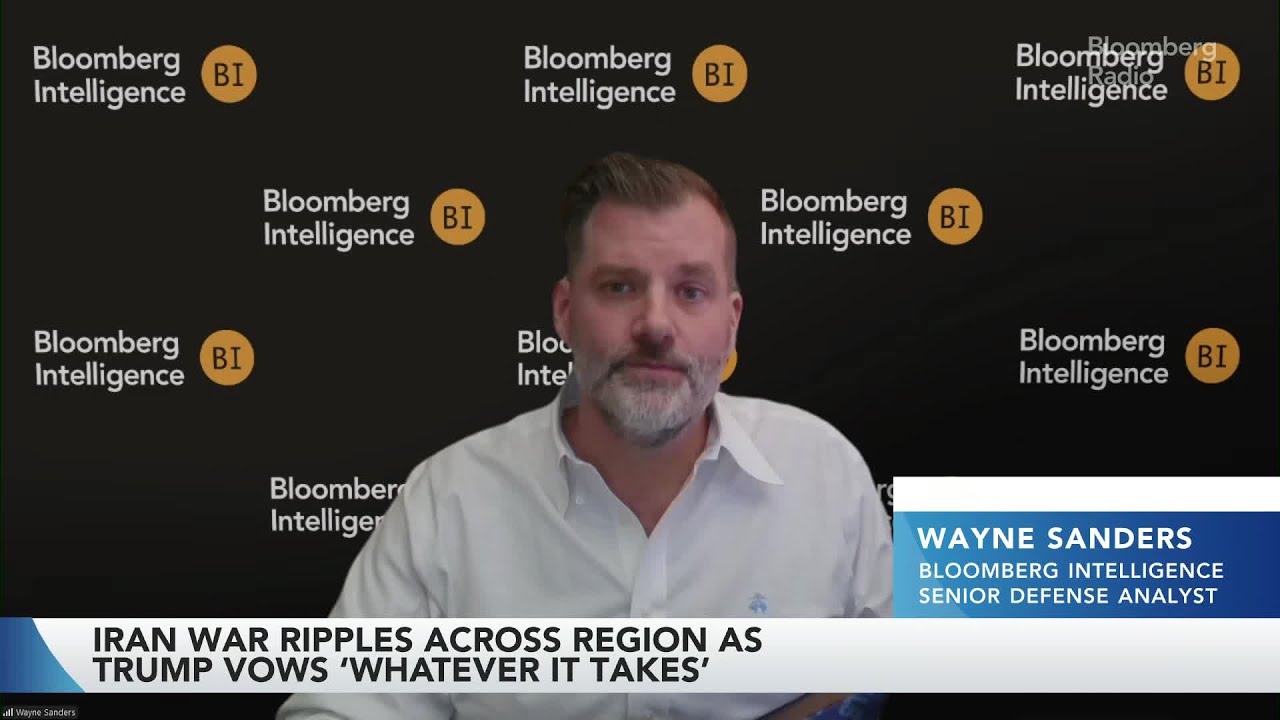
He elaborates on the strategic shift occurring within military planning: "I took as a very positive transition as part of this was the move away from standoff weapons and towards precision-guided munitions and air superiority." This shift, he notes, allows for the targeting of specific threats with more cost-effective means. Sanders provides a stark cost comparison: "We're looking at these Tomahawk missiles and these Javelins that run around $1 million, $1.5 to $2 million. And now you're bringing in munitions that are $25,000 to $40,000. And we have a lot more of them."