


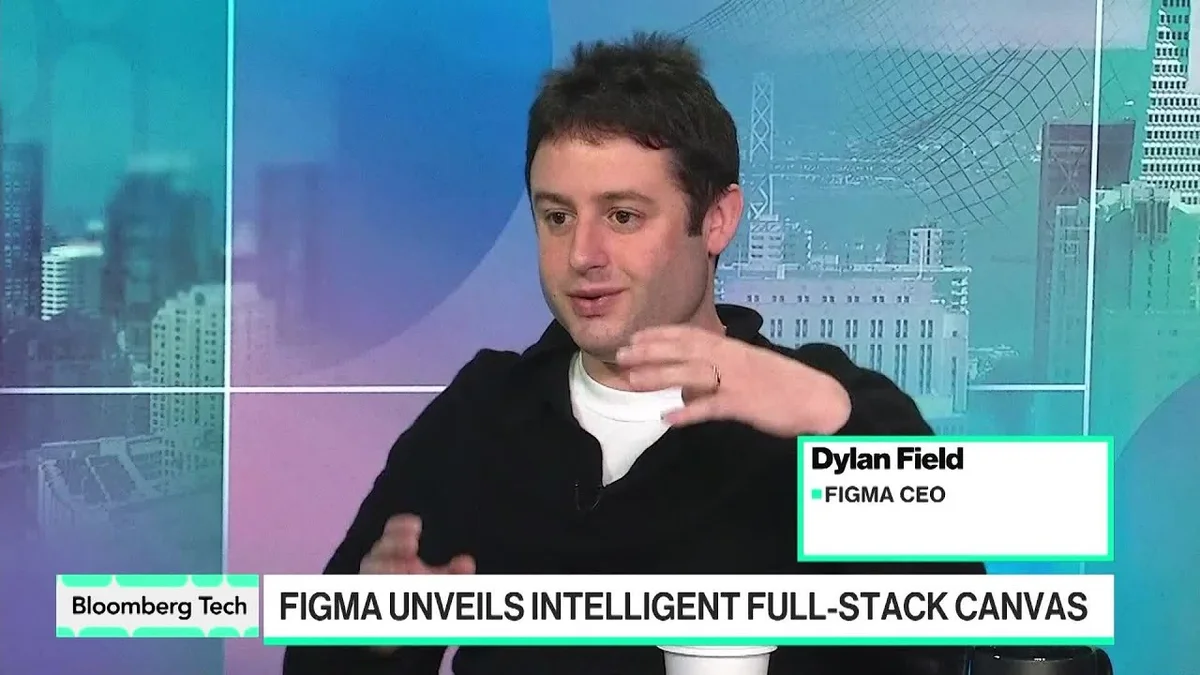
Figma, the popular collaborative design platform, is embracing the AI era with a significant overhaul of its canvas, aiming to transform how designers create and build digital products. The company unveiled its vision for an "intelligent full-stack canvas" designed to integrate AI agents and workflows directly into the design process.
Figma's Vision for an AI-Powered Design Future
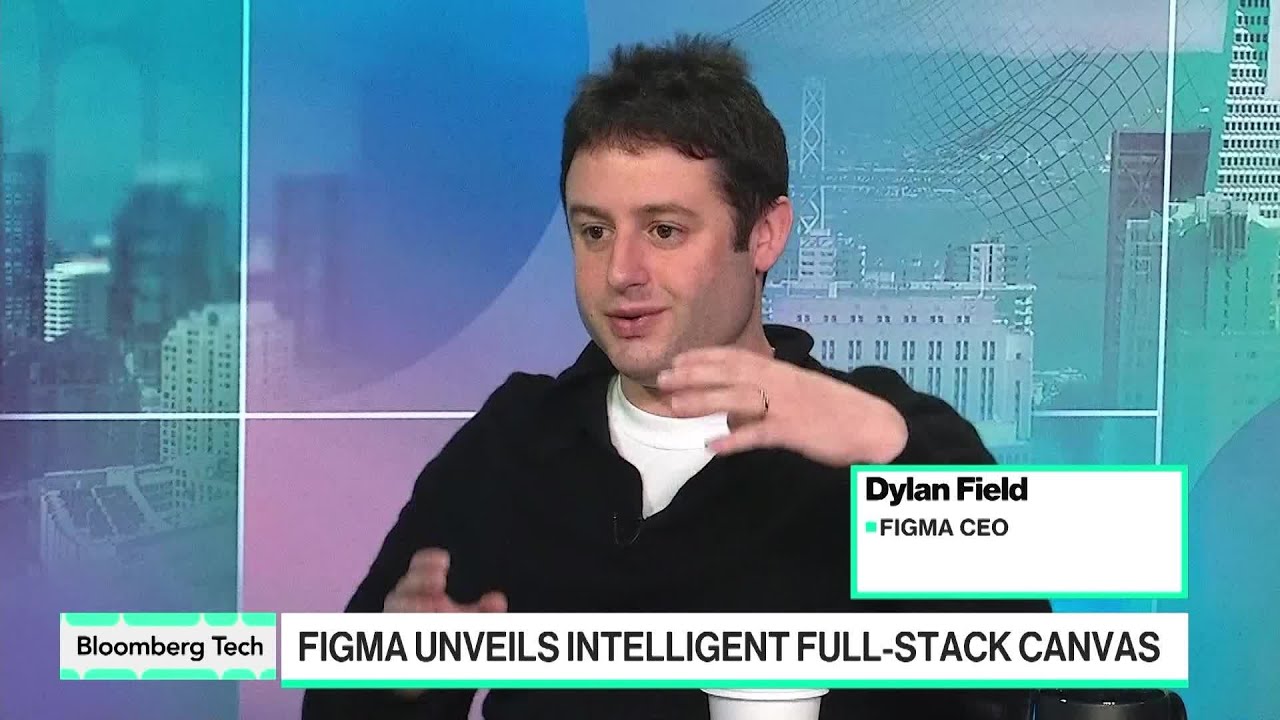
Dylan Field, co-founder and CEO of Figma, discussed the company's strategic direction in a recent appearance, highlighting the platform's evolution to incorporate AI. The core idea is to move beyond static design elements and enable designers to not only create but also generate functional components and dynamic experiences within a single, cohesive environment. This approach aims to streamline the entire digital creation pipeline, from initial concept to production-ready assets.
The full discussion can be found on Bloomberg Technology's YouTube channel.
Integrating AI for Enhanced Design Workflows
Field explained that Figma is integrating AI agents and capabilities directly into its canvas. This allows designers to prompt AI to perform various tasks, such as generating code snippets or creating visual assets. For instance, the platform demonstrated how designers can request the creation of a "multi-series area chart" by uploading a CSV file and letting the AI generate the visualization. This capability extends to other design elements, allowing for the creation of more complex and interactive prototypes.
Figma Motion and Code Generation
Key new features showcased include Figma Motion, which enables the creation of animations and transitions directly within the design tool. Additionally, the platform is developing capabilities for generating code directly from design elements. Field emphasized that these AI-driven tools are designed to be model-agnostic, allowing users to switch between different AI models as needed. This flexibility is crucial for adapting to the rapidly evolving AI landscape.