

AI Bust Fallout Could Dwarf Dot-Com Crash, Warns George Noble

George Noble of Noble Capital Advisors warns that an AI bubble's fallout could be more significant than the dot-com crash, citing historical patterns of speculation.

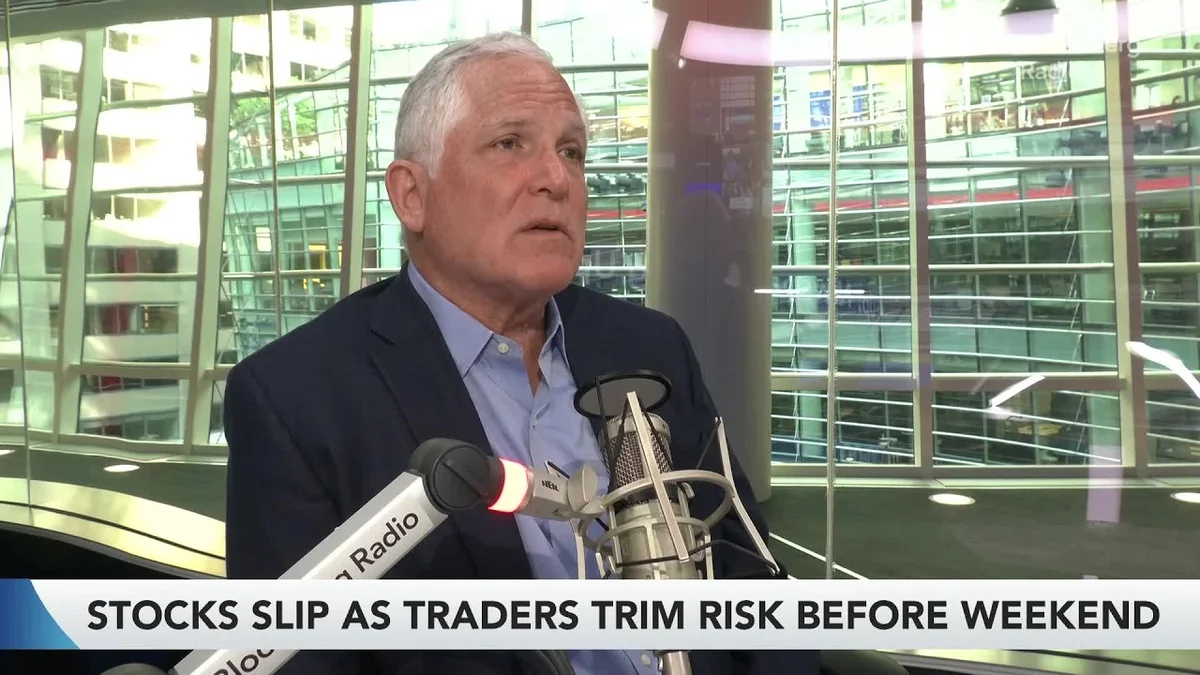
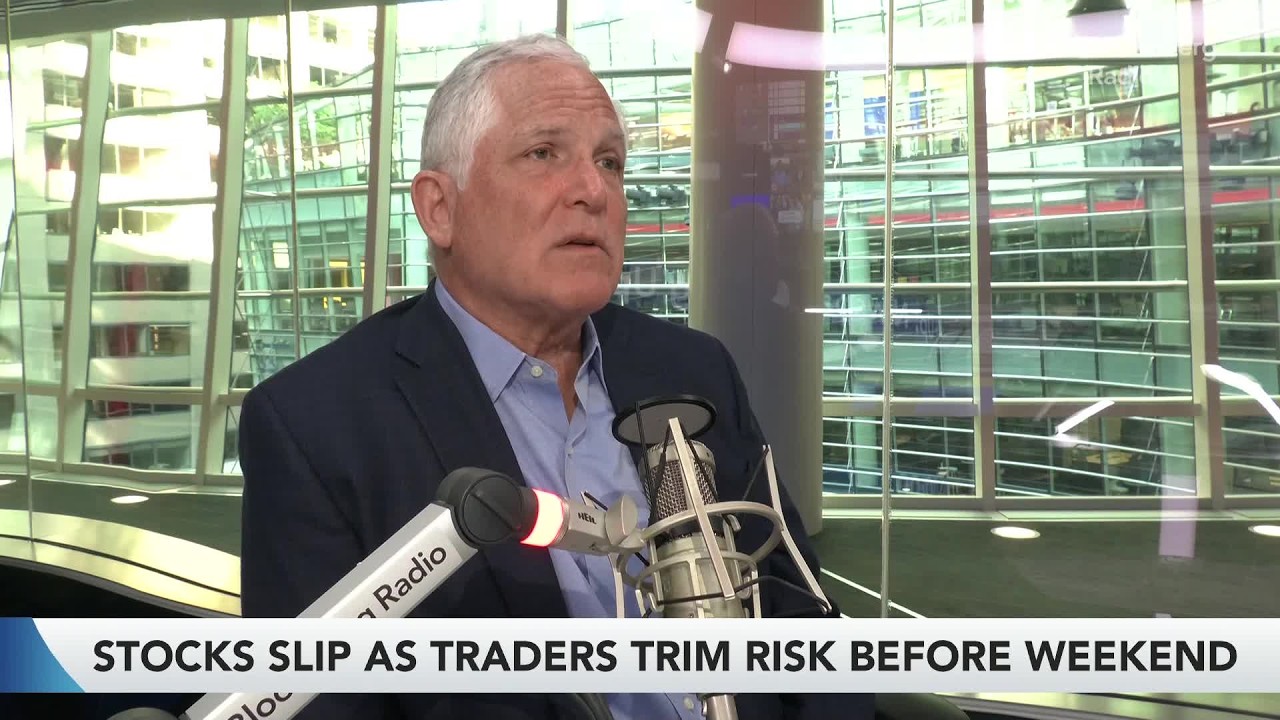
George Noble speaking at a Bloomberg Radio desk.
Bloomberg Podcast
Visual TL;DR
AI Bubble WarningDriver
George Noble warns AI bubble fallout could dwarf dot-com crash
From the article 3 mentionsGeorge Noble, Managing Partner at Noble Capital Advisors, has issued a stark warning about the potential economic impact of an AI bubble bursting, suggesting it could be far more significant than the dot-com crash of the early 2000s.
Historical ParallelsContext
From the article 2 mentionsIn a recent discussion, Noble drew parallels between the current AI investment boom and historical market manias, emphasizing that fundamental human psychology, driven by fear and greed, remains a constant factor in market cycles.
Human PsychologyContext
From the article 2 mentionsIn a recent discussion, Noble drew parallels between the current AI investment boom and historical market manias, emphasizing that fundamental human psychology, driven by fear and greed, remains a constant factor in market cycles.
Scale of InvestmentDriver
From the article 4 mentionsNoble highlighted that while AI represents a transformative technology with genuine potential, the sheer scale of investment and the rapid escalation of company valuations are creating an environment ripe for speculation.
Dot-Com CautionContext
immense capital flowed into internet companies lacking sustainable models
From the article 4 mentionsGiven these historical parallels and the current scale of investment, Noble advised a degree of caution for investors.
AI Landscape MirrorsContext
From the articleThe current AI landscape, he argues, mirrors this enthusiasm, with startups commanding massive valuations based on future potential rather than current performance.
Potential FalloutOutcome
AI bubble bursting could have significant economic impact
From the article 5 mentionsThis vast influx of cash, while fueling rapid development, also increases the potential for a more severe economic fallout should the market correct.
Contents(4)

George Noble, Managing Partner at Noble Capital Advisors, has issued a stark warning about the potential economic impact of an AI bubble bursting, suggesting it could be far more significant than the dot-com crash of the early 2000s. In a recent discussion, Noble drew parallels between the current AI investment boom and historical market manias, emphasizing that fundamental human psychology, driven by fear and greed, remains a constant factor in market cycles.

Understanding the Parallels

Noble highlighted that while AI represents a transformative technology with genuine potential, the sheer scale of investment and the rapid escalation of company valuations are creating an environment ripe for speculation. He pointed to the dot-com era as a cautionary tale, where immense capital flowed into internet companies, many of which lacked sustainable revenue models or clear paths to profitability. The current AI landscape, he argues, mirrors this enthusiasm, with startups commanding massive valuations based on future potential rather than current performance.

The Significance of Scale

What sets the current AI boom apart, according to Noble, is the magnitude of capital involved. The sheer volume of money being invested in AI companies today, from venture capital to public market investments, is unprecedented. This vast influx of cash, while fueling rapid development, also increases the potential for a more severe economic fallout should the market correct. Noble stated, "The fallout from an AI bust would be more significant than the dot-com crash."

The full discussion can be found on Bloomberg Podcast's YouTube channel.

AI Bust Fallout Would Be 'More Significant' Than Dot-Com, Says George Noble - Bloomberg Podcast
AI Bust Fallout Would Be 'More Significant' Than Dot-Com, Says George Noble, from Bloomberg Podcast

Human Psychology and Market Bubbles

Noble emphasized that the underlying drivers of market bubbles remain consistent throughout history. He explained that periods of rapid technological advancement often ignite a speculative frenzy, fueled by FOMO (fear of missing out) and the allure of quick riches. This psychological element, he noted, can lead investors to overlook fundamental value, driving prices to unsustainable levels. "History repeats itself, and it's driven by human nature," Noble commented, suggesting that the AI boom is no exception.

A Call for Caution

Given these historical parallels and the current scale of investment, Noble advised a degree of caution for investors. He stressed the importance of focusing on the underlying fundamentals of AI companies, such as their business models, profitability, and long-term viability, rather than getting caught up in the speculative fervor. The history of market bubbles, he concluded, is a testament to the fact that they eventually burst, often leading to significant economic consequences.

© 2026 StartupHub.ai. All rights reserved. You may not republish this article in full without a license. Search engines and AI research tools may crawl and summarize for reference. Bulk reproduction or model training requires a license. See our terms.
Daniel Singer

Written by

Daniel Singer

Editor, StartupHub.ai

Daniel Singer is the editor of StartupHub.ai, a technology expert and thought leader on AI and its applications across sectors, from fintech and healthcare to developer tooling and consumer software. He writes and tests the tools covered here thoroughly and regularly, and built StartupHub.ai to give founders, operators and buyers a clearer read on what they are actually being sold.