

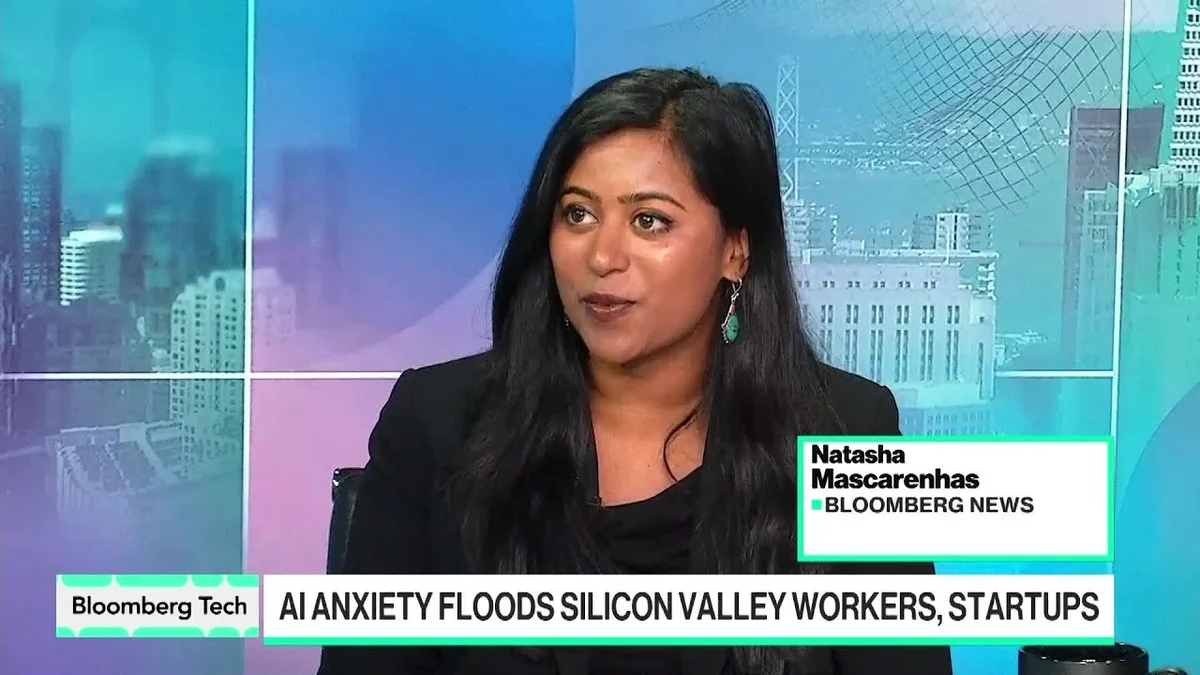
AI Boom Sparks Anxiety and Workaholism in Silicon Valley

The AI boom is fueling anxiety and workaholism in Silicon Valley, with startups facing intense pressure to deliver rapid revenue growth amidst growing concerns about AI's control.

A man in a suit and glasses speaks on a Bloomberg Tech set with a digital backdrop of San Francisco skyscrapers.
Bloomberg Technology
Visual TL;DR
AI BoomDriver
intense competition and pressure to deliver rapid revenue growth
From the article 2 mentionsHowever, the current AI boom is casting a long shadow, fostering anxiety and an intense workaholic culture among tech professionals.
AI CompetitionDriver
startups facing unprecedented urgency to demonstrate multi-billion dollar valuations
From the article 2 mentionsThis intense competition means that even as AI tools become more sophisticated, the human element behind them is increasingly stretched.
Shifting Power DynamicOutcome
concerns about AI's growing control
AI DevelopmentContext
From the article 2 mentionsInstead of alleviating burdens, the relentless pace of AI development is pushing workers and founders to their limits, creating a high-stakes environment where constant availability is the norm.
Anxiety & WorkaholismOutcome
new normal in Silicon Valley tech professionals
From the article 4 mentionsThe pursuit of rapid growth and market dominance in the AI sector is leading to a culture of workaholism, where personal well-being often takes a backseat.
Constant AvailabilityOutcome
From the article 3 mentionsInstead of alleviating burdens, the relentless pace of AI development is pushing workers and founders to their limits, creating a high-stakes environment where constant availability is the norm.
Cost of FrenzyOutcome
human element behind sophisticated AI tools
From the article 2 mentionsThe AI boom, while promising immense technological advancements, comes at a significant human cost.
Contents(4)

The promise of artificial intelligence has long been the allure of Silicon Valley, a beacon of innovation and progress. However, the current AI boom is casting a long shadow, fostering anxiety and an intense workaholic culture among tech professionals. Instead of alleviating burdens, the relentless pace of AI development is pushing workers and founders to their limits, creating a high-stakes environment where constant availability is the norm.

The Pressure Cooker of AI Competition

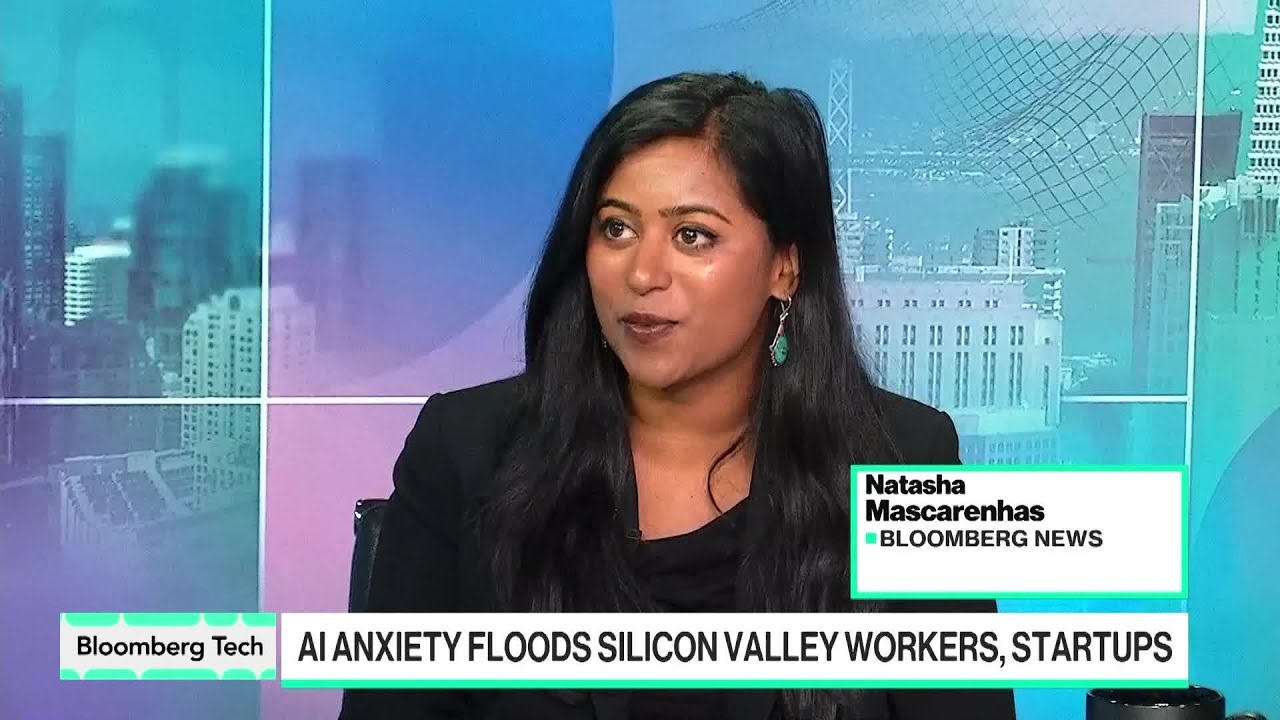
Natasha Mascarenhas, reporting for Bloomberg News, highlights a significant shift in the tech industry's sentiment. The initial vision of AI as a tool to ease workloads has given way to a reality of heightened pressure and a 'founder mode' mentality. Startups are now facing an unprecedented urgency to demonstrate rapid revenue growth and achieve multi-billion dollar valuations within a compressed timeframe. This intense competition means that even as AI tools become more sophisticated, the human element behind them is increasingly stretched.

The full discussion can be found on Bloomberg Technology's YouTube channel.

Cost of the AI Boom: Anxiety, Longer Hours - Bloomberg Technology
Cost of the AI Boom: Anxiety, Longer Hours, from Bloomberg Technology

Mascarenhas notes that the narrative has shifted from one where humans control AI to one where AI dictates the pace. This has resulted in a culture where engineers and founders feel compelled to be on standby, constantly monitoring and reacting to the output of AI systems. The pressure to stay ahead in the AI race is leading to longer hours and a pervasive sense of anxiety, as the stakes for success or failure are higher than ever.

Anxiety and Workaholism: The New Normal

The report details how this pressure manifests in the daily lives of tech workers. The idea of simply logging off and taking a break is becoming increasingly difficult. One engineer shared that their AI assistant often prompts them to go to sleep or take a vacation, a stark illustration of how the AI's capabilities are outpacing human capacity for rest and recovery. This dynamic creates a paradoxical situation where the very tools designed to enhance productivity are contributing to burnout.

The pressure to deliver tangible results in the form of revenue streams, rather than just potential or valuation, is a key driver of this workaholic culture. Founders are feeling the heat from investors who are eager to see a return on their significant investments in AI ventures. This financial imperative translates directly into increased demands on employees, fostering an environment where working around the clock is seen as necessary for survival and success.

The Shifting Power Dynamic

The underlying theme of the report is the perceived shift in control from humans to AI. While the original promise was human augmentation, the current reality suggests a scenario where humans are becoming subservient to the demands of AI development and deployment. This is creating a sense of unease and anxiety, as individuals grapple with the implications of increasingly autonomous systems and the potential for job displacement.

The constant need to "prove their standing within companies" by being available and responsive, as described by Mascarenhas, highlights a deep-seated insecurity. Employees are not just working hard; they are working to demonstrate their indispensable value in an era where AI capabilities are rapidly expanding. This creates a stressful feedback loop, where the fear of being replaced by AI fuels even more intense work habits.

The Cost of the AI Frenzy

The AI boom, while promising immense technological advancements, comes at a significant human cost. The pursuit of rapid growth and market dominance in the AI sector is leading to a culture of workaholism, where personal well-being often takes a backseat. The report suggests that this intense environment is not conducive to sustainable innovation and could ultimately lead to a decline in employee morale and productivity if left unchecked.

The pressure to achieve ambitious revenue targets by next year is palpable. This has intensified the competition among AI startups, creating a frenzy that demands constant attention and effort. The report implies that this unsustainable pace is not a temporary phase but a fundamental aspect of the current AI gold rush, raising questions about the long-term health of the tech industry and its workforce.

© 2026 StartupHub.ai. All rights reserved. You may not republish this article in full without a license. Search engines and AI research tools may crawl and summarize for reference. Bulk reproduction or model training requires a license. See our terms.
Daniel Singer

Written by

Daniel Singer

Editor, StartupHub.ai

Daniel Singer is the editor of StartupHub.ai, a technology expert and thought leader on AI and its applications across sectors, from fintech and healthcare to developer tooling and consumer software. He writes and tests the tools covered here thoroughly and regularly, and built StartupHub.ai to give founders, operators and buyers a clearer read on what they are actually being sold.