

Luma AI CEO on Physical AI Lab

Luma AI CEO Amit Jain discusses the company's new physical AI lab, emphasizing the need for multimodal data and open systems to overcome limitations in current robotics training.

5 min read
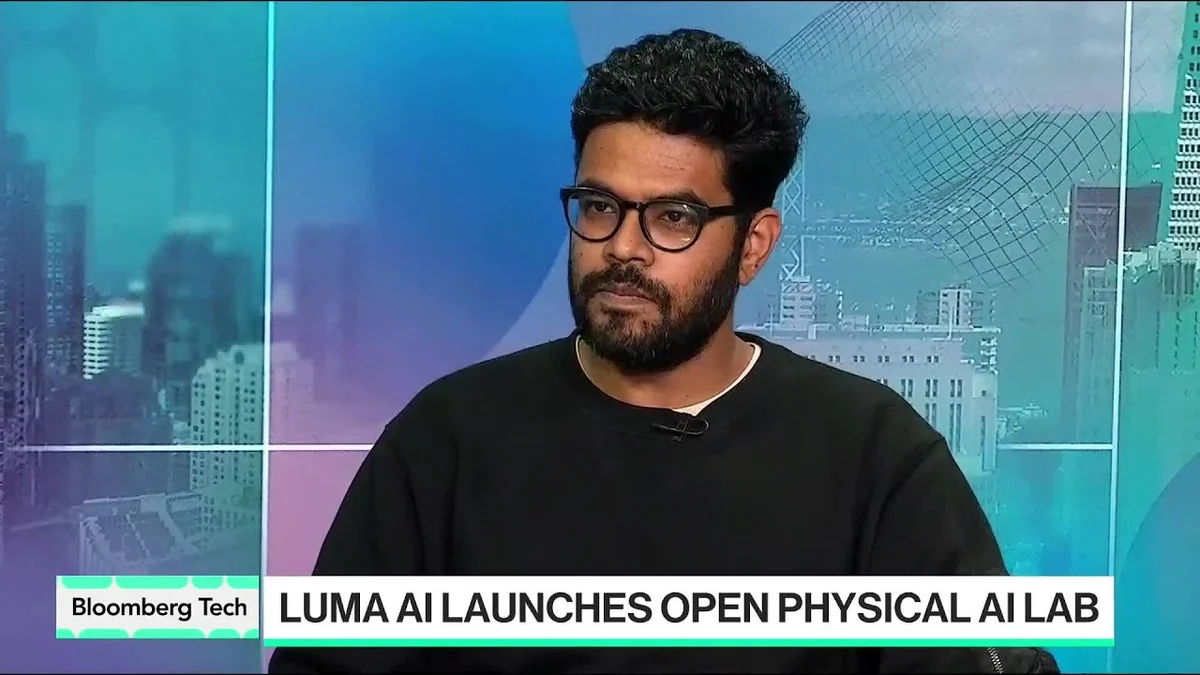
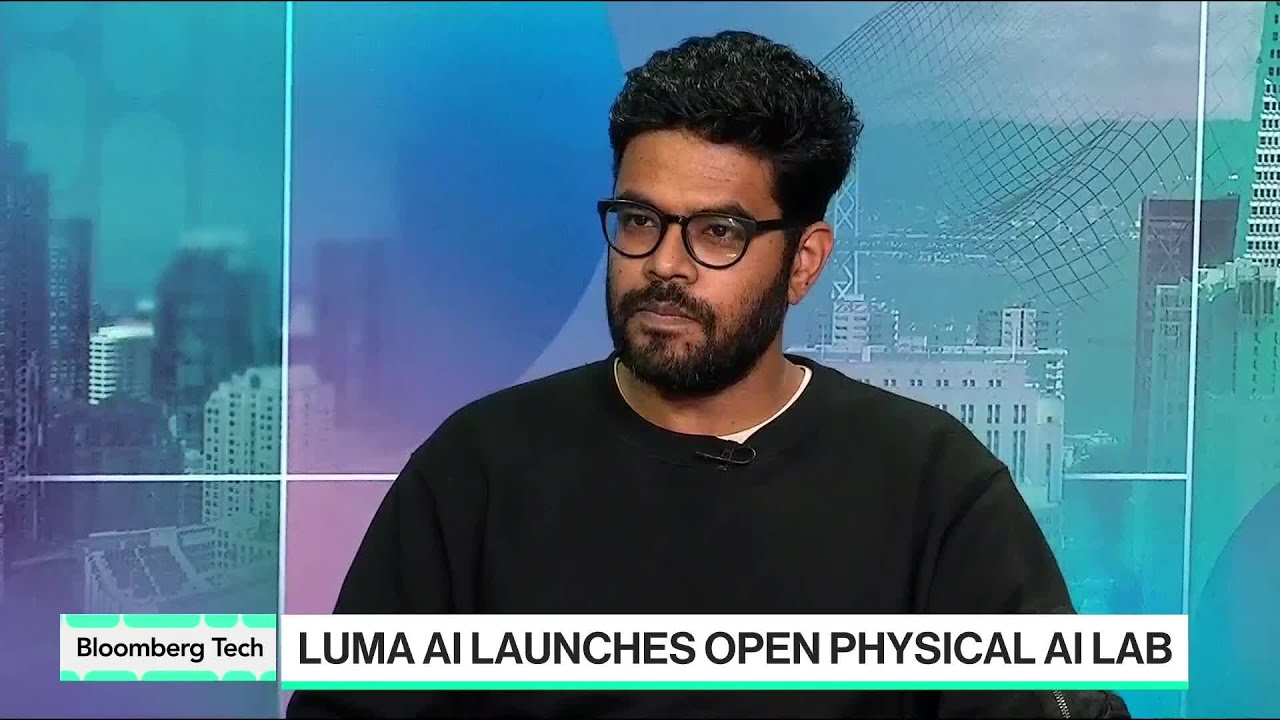
Amit Jain, CEO of Luma AI, speaking on a Bloomberg Tech panel.
Bloomberg Technology
Visual TL;DR
Robotics Training ProblemDriver
From the articleAccording to Amit Jain, CEO of Luma AI, the current state of robotics training is often too specific, with robots being trained on a limited set of examples for particular tasks.
Open-Source DataCore
key to unlocking advanced AI capabilities
From the article 5 mentionsThis is our bread and butter and we have produced some of the best models in this space on 3D, on images, on video, taking raw internet data," Jain said, underscoring the company's commitment to this direction.
Luma AI's Physical LabCore
new physical AI lab for robotics research and development
From the article 3 mentionsLuma AI has announced the launch of its physical AI lab, a strategic move aimed at tackling a fundamental challenge in robotics: the ability of machines to generalize and perform a wide range of tasks.
Multimodal Data ApproachContext
using diverse data types for broader understanding
From the article 2 mentionsLuma AI's strategy centers on overcoming this limitation by building out general systems from multimodal data.
Open SystemsContext
promoting open access to data and models
From the article 4 mentionsLuma AI's focus on large-scale, multimodal data and open systems is seen as the path forward.
Generalization CapabilityEffect
enabling robots to adapt to new situations
From the articleIn contrast, he drew a parallel to the world of language models, where large, multimodal datasets allow for broader understanding and task generalization.
Future of Physical AIOutcome
advancing robotics beyond single-task limitations
From the article 6 mentionsThe company's physical AI lab will focus on extracting signals from various data sources, including 3D information, images, and video, to enable robots to understand and control the physical world more effectively.
Contents(5)

Luma AI has announced the launch of its physical AI lab, a strategic move aimed at tackling a fundamental challenge in robotics: the ability of machines to generalize and perform a wide range of tasks. According to Amit Jain, CEO of Luma AI, the current state of robotics training is often too specific, with robots being trained on a limited set of examples for particular tasks.

The Problem with Single-Task Training

Jain highlighted that the prevailing method of training robots involves showing them a few examples of a specific task. This approach, he explained, creates a significant gap in their ability to adapt to new or unseen situations. In contrast, he drew a parallel to the world of language models, where large, multimodal datasets allow for broader understanding and task generalization.

The full discussion can be found on Bloomberg Technology's YouTube channel.

Luma AI Launches Physical AI Lab - Bloomberg Technology
Luma AI Launches Physical AI Lab, from Bloomberg Technology

Luma AI's Approach: Open and Multimodal

Luma AI's strategy centers on overcoming this limitation by building out general systems from multimodal data. The company's physical AI lab will focus on extracting signals from various data sources, including 3D information, images, and video, to enable robots to understand and control the physical world more effectively. Jain stated, "We are just stuck in the valley of specific tasks. In order to be impactful in the world, we need to be able to talk to them and ask them to do this, then go take care of that thing."

The Economic and Philosophical Rationale

Jain elaborated on the dual nature of their approach: openness and the work they are doing. He emphasized that the physical AI lab is crucial because it's not just a tool for technological advancement but also an economic necessity. "We believe that this level of control over means of production is not an attainable economic situation," he explained. The company aims to create an ecosystem where chip partners and model providers collaborate to build these advanced physical AI systems.

The Future of Physical AI

The CEO stressed that while many AI models are trained by linguists for language tasks, physical AI requires a different approach. Luma AI's focus on large-scale, multimodal data and open systems is seen as the path forward. "This is what Luma does. This is our bread and butter and we have produced some of the best models in this space on 3D, on images, on video, taking raw internet data," Jain said, underscoring the company's commitment to this direction.

Open-Source Data as the Key

Jain argued that for physical AI to become truly impactful and integrated into everyday life, it needs to be trained on a broad spectrum of data, mirroring how humans learn and interact with the world. He believes that relying on limited, task-specific datasets is insufficient for creating robots that can perform general tasks. "We want to live in a world where a small group of people can take these technologies and build them into productive systems," he concluded, highlighting the open approach as the most viable economic path.

© 2026 StartupHub.ai. All rights reserved. You may not republish this article in full without a license. Search engines and AI research tools may crawl and summarize for reference. Bulk reproduction or model training requires a license. See our terms.