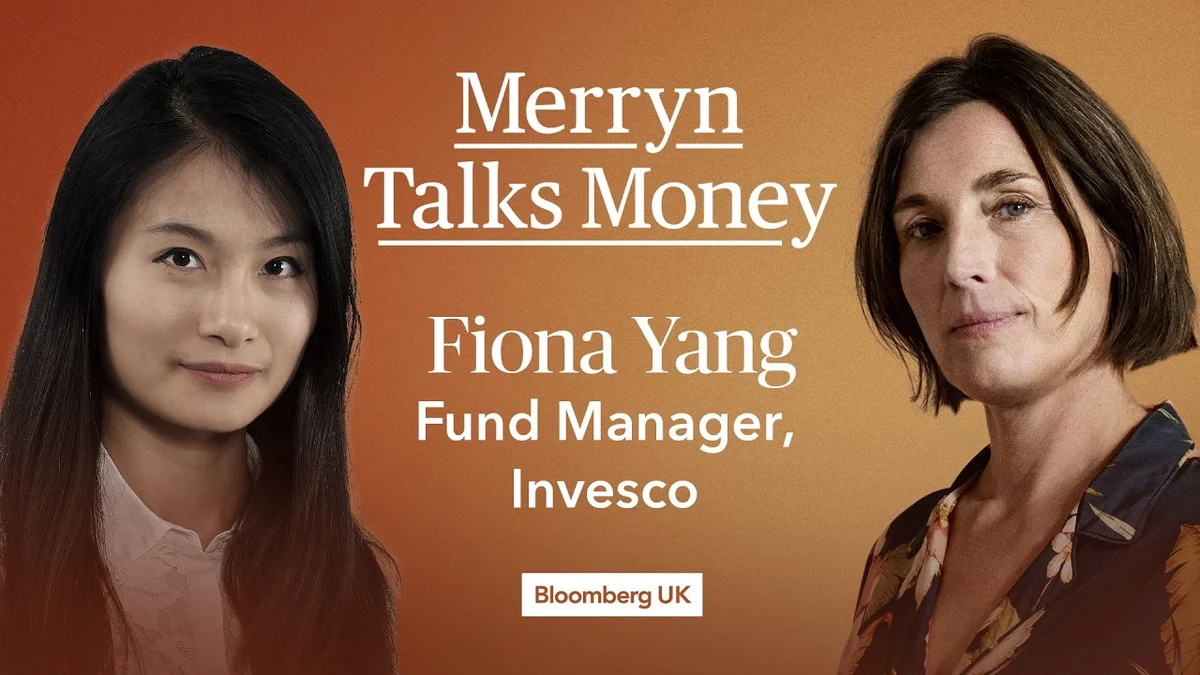
Invesco's Fiona Yang on AI, Korea & Asia's Markets

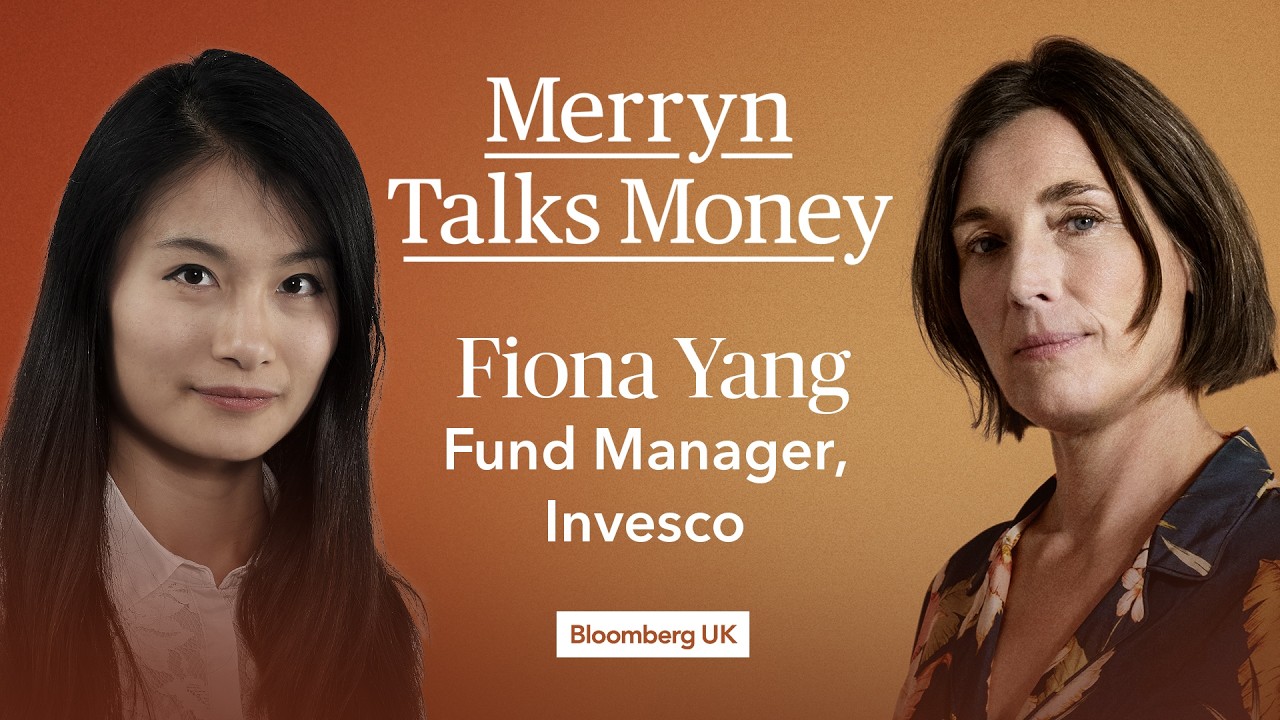
Invesco Fund Manager Fiona Yang discusses the AI market, the volatility in Korea, competition from Chinese LLMs, and investment opportunities in Asia.

Fiona Yang, Invesco Fund Manager, speaking into a microphone
Bloomberg Podcast
Visual TL;DR
Fiona Yang (Invesco)Core
fund manager discussing AI's impact and investment opportunities across Asia
From the articleIn the latest episode of Merryn Talks Money, fund manager Fiona Yang of Invesco joins host Merryn Somerset Webb to discuss the dynamic markets of Asia, with a particular focus on the impact of Artificial Intelligence (AI) and the unique opportunities and risks present in countries like South Korea, China, and India.
AI Market VolatilityDriver
Korean market heavily exposed to AI stocks, experiencing surges and significant losses
From the article 8 mentionsYang opens by acknowledging the significant volatility observed in the Korean market, which she notes is heavily exposed to AI-related stocks.
AI SupercycleContext
global AI growth driving market dynamics, with Chinese LLMs as key competitors
From the articleThe conversation delves into the concept of a memory supercycle, driven by the immense demand from AI applications.
High Market ExpectationsDriver
From the articleThis volatility, she explains, is partly due to extremely high market expectations for memory prices, where even fantastic earnings cycles struggle to meet the inflated outlook.
Shifting InvestmentEffect
adapting strategies amidst market dynamics, focusing on specific Asian economies
From the article 2 mentionsShe highlights Shri Ram, a non-bank financial company, as a favorite due to its focus on underserved segments and its recent investment from a major Japanese financial institution.
Korean Market RiskDriver
From the article 3 mentionsA key risk identified in the Korean market is concentration, with a few major AI-related stocks dominating the landscape.
Chinese LLM CompetitionDriver
local large language models posing a significant challenge in the AI space
Emerging MarketsOutcome
identifying opportunities in India, China, and Australia for strategic investment
From the article 8 mentionsA key risk identified in the Korean market is concentration, with a few major AI-related stocks dominating the landscape.
Contents(4)

In the latest episode of Merryn Talks Money, fund manager Fiona Yang of Invesco joins host Merryn Somerset Webb to discuss the dynamic markets of Asia, with a particular focus on the impact of Artificial Intelligence (AI) and the unique opportunities and risks present in countries like South Korea, China, and India.

Yang opens by acknowledging the significant volatility observed in the Korean market, which she notes is heavily exposed to AI-related stocks. She highlights the recent surge driven by major AI players, followed by a stumble, and the considerable losses experienced by highly leveraged retail investors. This volatility, she explains, is partly due to extremely high market expectations for memory prices, where even fantastic earnings cycles struggle to meet the inflated outlook.

A key risk identified in the Korean market is concentration, with a few major AI-related stocks dominating the landscape. Yang also points to the Korean government's "value-up initiative" aimed at boosting shareholder returns and improving corporate governance. She sees this as a positive long-term development, drawing parallels to similar reforms seen in Japan previously.

The full discussion can be found on Bloomberg Podcast's YouTube channel.

Invesco's Fiona Yang on Korea, China and the Next AI Investment Wave | Merryn Talks Money - Bloomberg Podcast
Invesco's Fiona Yang on Korea, China and the Next AI Investment Wave | Merryn Talks Money, from Bloomberg Podcast

The AI Supercycle and Chinese Competition

The conversation delves into the concept of a memory supercycle, driven by the immense demand from AI applications. Yang traces this back to a period of underinvestment in the memory industry a few years prior, which, combined with the sudden surge in demand from generative AI, has led to shortages and price increases. She believes this cycle could last for a couple of years, but cautions that share prices might not sustain their high levels if supply catches up faster than anticipated or if demand falters.

A significant risk to this demand narrative is competition, particularly from China. Yang notes that Chinese large language models, built on cheaper power, electricity, land, and hardware producers, can offer significantly lower production costs. While the technology might currently be generations behind, she warns that once Chinese models reach a certain technological threshold, their cost advantage could present a substantial challenge to developed market players. She cites anecdotal evidence of companies switching between Western and Chinese models based on task requirements and cost savings.

Shifting Investment Strategies Amidst Market Dynamics

Given these factors, Yang suggests that for active, bottom-up fund managers, diversification away from the pure-play AI hardware companies is becoming increasingly important. Instead, she advocates for looking at companies that can structurally benefit from AI by using the technology to enhance their own productivity, customer service, and operational efficiency. She also touches upon the potential economic boost from employee bonuses in Korea, which could drive consumer spending in sectors like luxury goods and travel.

Emerging Markets: India, China, and Australia

The discussion then shifts to other key Asian markets. India, once highly popular, has fallen out of favor, with questions surrounding the long-term survivability and growth of its internet companies. Despite this, Yang believes there are still select parts of the Indian market that offer value, particularly companies with strong compounding power. She highlights Shri Ram, a non-bank financial company, as a favorite due to its focus on underserved segments and its recent investment from a major Japanese financial institution.

China, despite remaining inexpensive and unpopular, presents opportunities. Yang notes that capital has flowed out of popular Chinese holdings into AI hardware plays in Korea and Taiwan, depressing market values. She acknowledges the macroeconomic concerns but believes there are companies that can thrive irrespective of broader economic conditions. She also touches upon the importance of looking beyond pure AI plays to companies that can adapt and benefit from the broader technological shifts.

Finally, Yang discusses Australia, praising its corporate governance and shareholder returns. She sees potential in resources and construction, especially given the global push for energy independence and onshoring, which is driving demand for materials like copper and investment in energy infrastructure.

© 2026 StartupHub.ai. All rights reserved. You may not republish this article in full without a license. Search engines and AI research tools may crawl and summarize for reference. Bulk reproduction or model training requires a license. See our terms.
Daniel Singer

Written by

Daniel Singer

Editor, StartupHub.ai

Daniel Singer is the editor of StartupHub.ai, a technology expert and thought leader on AI and its applications across sectors, from fintech and healthcare to developer tooling and consumer software. He writes and tests the tools covered here thoroughly and regularly, and built StartupHub.ai to give founders, operators and buyers a clearer read on what they are actually being sold.

More from Daniel Singer

