

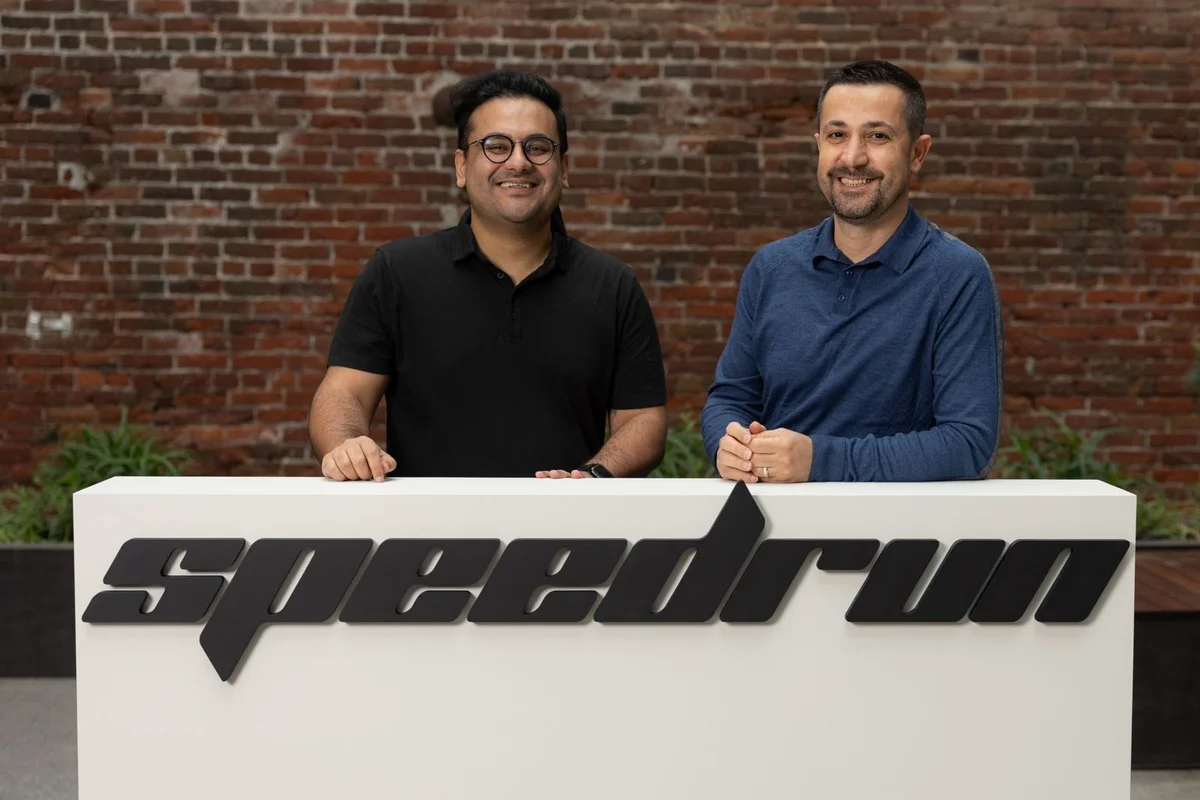
Loops raises $3.5M to unify commerce AI

Loops raised $3.5M seed to unify search, assistance and operations into one AI system for commerce, with 70+ pilots and retail traction.

S
StartupHub.ai Staff
3 min read
Loops AI platform unifying commerce search and product discovery
Loops raises $3.5M to launch unified AI OS for online retail
Key Takeaways
  • 1
    Loops raised $3.5M led by a16z Speedrun to scale a single AI system for search, discovery, assistance and enrichment.

  • 2
    Platform claims 70 customers and pilots with 64% converting to paid and millions of shopper sessions handled.

  • 3
    Early retail results are observational, not randomized, with A101 showing 83% higher conversion in Loops sessions.

Loops secured $3.5 million in seed funding to build what it calls an AI operating system for commerce, bundling search, product discovery, shopping assistance, customer operations, product enrichment and virtual try-on into a single platform.

The round was led by a16z Speedrun, with NTT Docomo, Connecticut Innovations, Alumni Ventures and Monday Capital also participating. Loops said the capital will go toward product development, customer deployment capacity and international expansion.

One system instead of five.

Retailers now purchase separate tools for each workflow and end up paying an integration tax, the company argues. Loops builds those workflows around a shared product knowledge and business context, so catalog enrichment improves search, search gives the shopping assistant context, and conversations surface weak product data. Ilker Selim Zorluoglu, President and Co-Founder, said the mistake is treating AI as a collection of features when a retailer needs one system that understands the catalog, the business and what the shopper is trying to do.
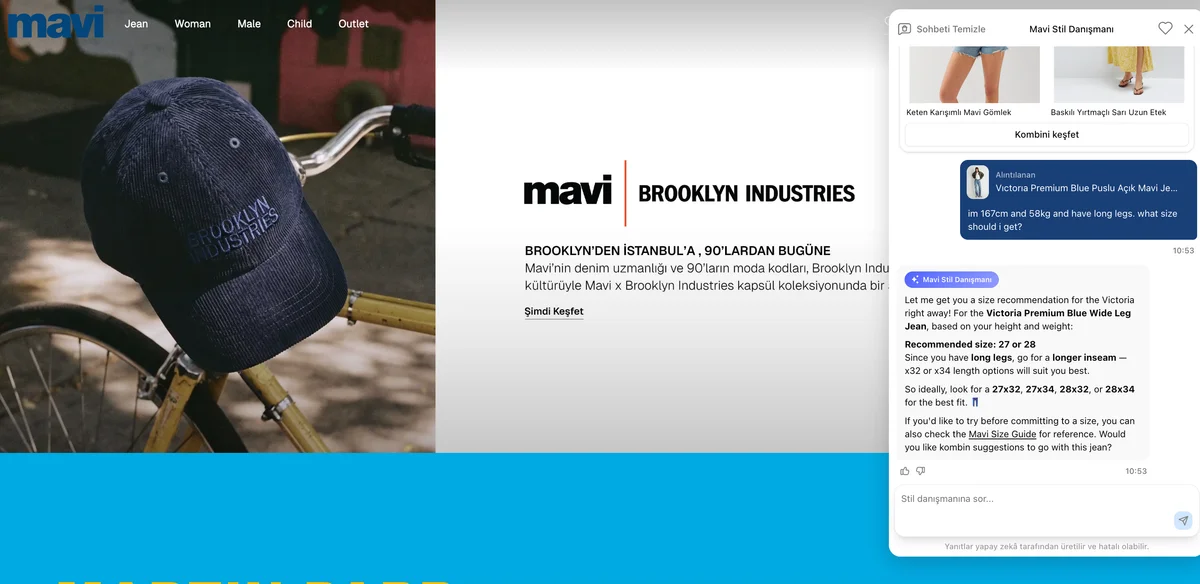
Diagram showing Loops AI commerce platform connecting search, assistant and catalog enrichment
Image credit: Loops

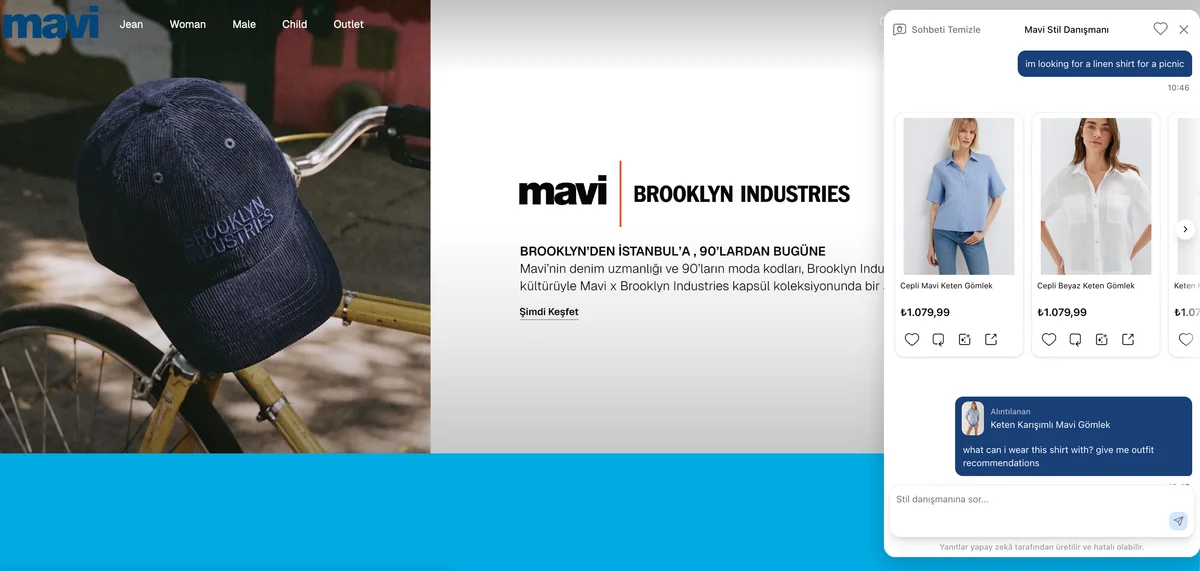
The product follows the full shopper journey. Users describe what they want in plain language and AI search surfaces products without keywords or filters. A built-in assistant answers questions and carries service conversations across connected channels. Underneath, enrichment rewrites descriptions and attributes so every product is legible to customers and AI systems, and virtual try-on lets shoppers see items on themselves before buying.

The idea sprang from a failed purchase in Bali, where Zorluoglu messaged a retailer about a gift for his daughter and waited hours without a reply. Co-founder Ari Nazir built the first prototype over a weekend. The company now reports more than 70 customers and pilots, millions of shopper experiences handled, and a 64% conversion rate from pilots to paying customers.

Early scale came from Turkey. Supermarket chain A101 uses Loops to navigate its catalog and guide buying journeys, while fashion retailer Mavi leans on it for AI search and shopping assistance by style, occasion or fit. Loops said sessions involving its platform at A101 showed roughly an 83% higher observed purchase conversion than the comparison segment, with the caveat that the result is observational rather than a randomized measure.

Retail shopper using AI search and virtual try-on on mobile device
Image credit: Loops

For merchandising and support teams, the impact is on budget and deployment. Instead of funding separate vendors for search, chat, copy and try-on, the team consolidates spend on one data layer and one set of integrations, training the model on its own catalog truth. The trade-off is vendor concentration-if enrichment is wrong, search and the assistant are wrong too.

Investor context matters here. a16z Speedrun is not a general accelerator. It runs as a thesis-driven program with a fixed deal and an entertainment-and-AI mandate, and a highly selective bar that one guide pegs near 0.4%, which frames why Loops entered through a vertical with clear purchase conversion.

Fareed Mosavat, Investment Partner at a16z Speedrun, said the lasting platforms will be those that work reliably inside real businesses and that commerce offers an unusually clear link between better AI experience and business value, citing pilot conversion and early expansion as evidence brands want to own more of the journey.

Loops says commerce is just chapter one. The company plans to apply the same vertical operating-system playbook to financial services and energy next, and to build specialized small-language-model capabilities where domain knowledge and deployment constraints favor a focused model over a general one. The test will be whether a commerce-first stack of enrichment, search and service can be copied into regulated workflows without rebuilding from scratch.

© 2026 StartupHub.ai. All rights reserved. You may not republish this article in full without a license. Search engines and AI research tools may crawl and summarize for reference. Bulk reproduction or model training requires a license. See our terms.
StartupHub.ai Staff

Written by

StartupHub.ai Staff

Editorial team

The staff writers of StartupHub.ai, ranging from investment analysts to avid AI tool users, early adopters and critical enthusiasts. Backgrounds span engineering, business and the arts. We hold every piece to rigorous standards of research and review.