

Kristalina Georgieva: AI's Globalization Lessons

IMF Chief Kristalina Georgieva warns against repeating globalization's mistakes with AI, urging proactive policy and inclusive growth strategies.

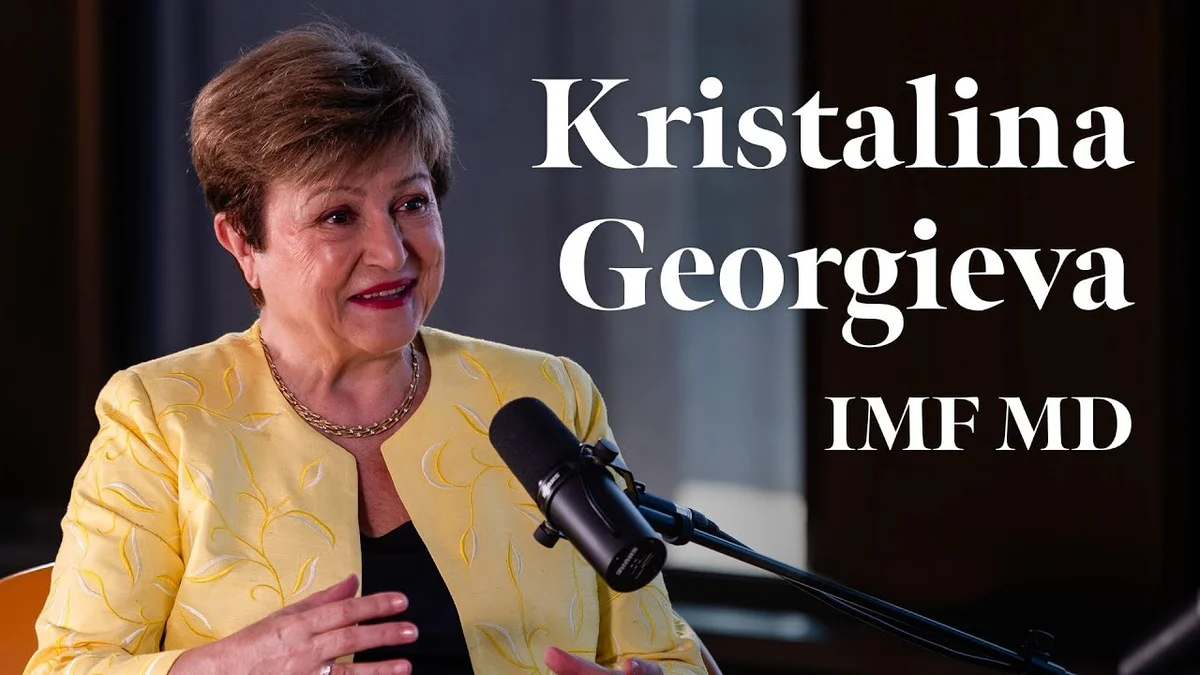
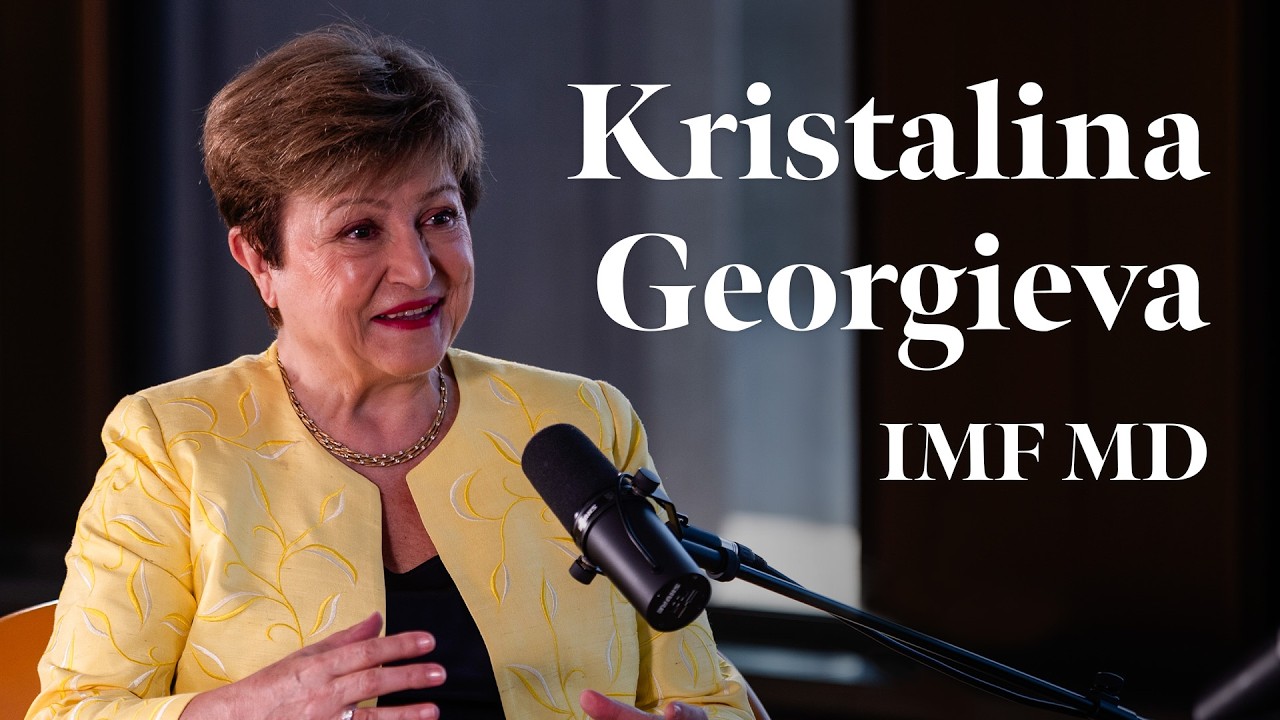
IMF Managing Director Kristalina Georgieva speaking at a podium.
Bloomberg Podcast
Visual TL;DR
Globalization's Past MistakesDriver
benefits not widely shared, communities felt left behind
From the articleIn a recent interview, she drew parallels between the current AI revolution and the earlier wave of globalization, emphasizing the critical need to avoid repeating past mistakes.
AI RevolutionDriver
significant transformations in the world economy
From the articleIn a recent interview, she drew parallels between the current AI revolution and the earlier wave of globalization, emphasizing the critical need to avoid repeating past mistakes.
Exacerbate InequalitiesOutcome
potential for AI to worsen existing economic disparities
From the articleGeorgieva, who has led the IMF through numerous global financial crises since taking the helm in 2019, highlighted the potential for AI to exacerbate existing inequalities if not managed with foresight and careful policy.
Proactive Policy NeededContext
learn from history to ensure inclusive growth
From the articleGeorgieva stressed that proactive measures are needed to equip the workforce with the skills necessary to thrive in an AI-driven economy.
IMF's RoleCore
guiding global economic stability and policy
From the article 5 mentionsGeorgieva emphasized the IMF's dual role: providing analysis and data-driven insights to member countries on AI's economic implications, and offering policy advice to harness its benefits while mitigating its risks.
Inclusive GrowthEffect
strategies for widespread economic benefits
From the articleShe noted that the world economy is undergoing significant transformations due to AI, and it is imperative to learn from history to ensure these advancements lead to more inclusive growth.
Contents(4)

Kristalina Georgieva, the Managing Director of the International Monetary Fund (IMF), has issued a stark warning regarding the integration of artificial intelligence (AI) into the global economy. In a recent interview, she drew parallels between the current AI revolution and the earlier wave of globalization, emphasizing the critical need to avoid repeating past mistakes. Georgieva, who has led the IMF through numerous global financial crises since taking the helm in 2019, highlighted the potential for AI to exacerbate existing inequalities if not managed with foresight and careful policy.

Lessons from Globalization's Past

Georgieva recalled the backlash against globalization, which often occurred when its benefits were not widely shared. Many communities felt left behind as jobs were displaced and economic gains concentrated among a few. She noted that the world economy is undergoing significant transformations due to AI, and it is imperative to learn from history to ensure these advancements lead to more inclusive growth. The IMF, as a global advisor and lender, is uniquely positioned to help member countries navigate these complex changes.

AI's Impact on Productivity and Labor

The IMF chief pointed out that AI's potential impact on productivity is immense, but it also poses significant challenges to labor markets. While AI can automate tasks and increase efficiency, it also risks displacing workers and widening the gap between those who can adapt to new technologies and those who cannot. Georgieva stressed that proactive measures are needed to equip the workforce with the skills necessary to thrive in an AI-driven economy. This includes investing in education, retraining programs, and social safety nets to support those affected by technological disruption.

The full discussion can be found on Bloomberg Podcast's YouTube channel.

IMF Chief: We Can't Repeat the Mistakes of Globalization With AI - Bloomberg Podcast
IMF Chief: We Can't Repeat the Mistakes of Globalization With AI, from Bloomberg Podcast

The IMF's Role in the AI Era

Georgieva emphasized the IMF's dual role: providing analysis and data-driven insights to member countries on AI's economic implications, and offering policy advice to harness its benefits while mitigating its risks. She highlighted the importance of international cooperation in developing regulatory frameworks and ethical guidelines for AI development and deployment. The goal, she stated, is to ensure that AI serves as a tool for shared prosperity and not as a catalyst for further division.

The conversation underscored that managing the societal and economic implications of AI is a complex undertaking. It requires a delicate balance between fostering innovation and ensuring that the benefits of AI are broadly distributed. Georgieva's remarks serve as a crucial reminder for policymakers, businesses, and individuals alike to engage thoughtfully with the transformative power of AI, learning from past economic shifts to build a more equitable and prosperous future.

© 2026 StartupHub.ai. All rights reserved. You may not republish this article in full without a license. Search engines and AI research tools may crawl and summarize for reference. Bulk reproduction or model training requires a license. See our terms.
Daniel Singer

Written by

Daniel Singer

Editor, StartupHub.ai

Daniel Singer is the editor of StartupHub.ai, a technology expert and thought leader on AI and its applications across sectors, from fintech and healthcare to developer tooling and consumer software. He writes and tests the tools covered here thoroughly and regularly, and built StartupHub.ai to give founders, operators and buyers a clearer read on what they are actually being sold.

More from Daniel Singer