Visual TL;DR
AI Drives DemandDriver
From the article 2 mentionsHewlett Packard Enterprise (HPE) is strategically positioning itself to capitalize on the burgeoning demand for artificial intelligence infrastructure.
Networking BottleneckDriver
data transfer bottleneck for AI workloads
From the article 6 mentionsThis is where HPE's enhanced networking solutions come into play, aiming to eliminate this bottleneck and ensure optimal performance for AI training and inference.
HPE StrategyCore
enhancing networking gear for AI clients
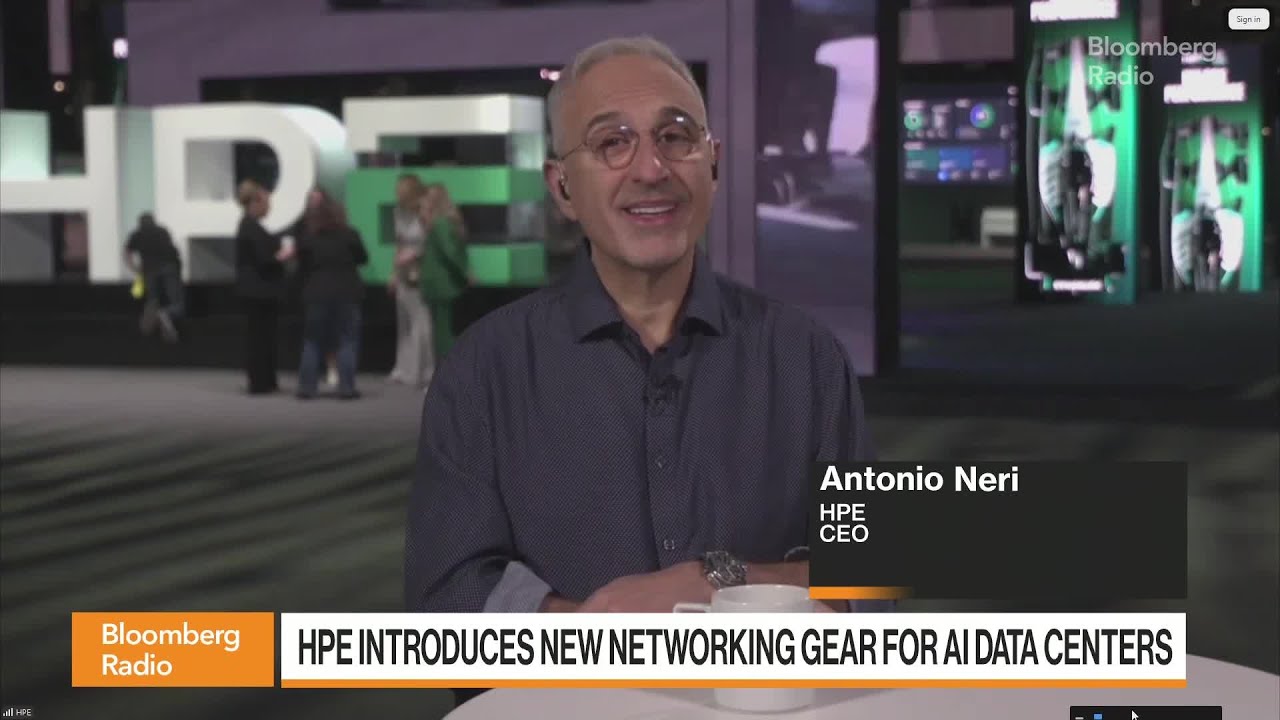
From the article 8 mentionsThe CEO detailed how HPE's strategy involves not only providing the hardware but also the sophisticated networking capabilities required to support these massive AI deployments.
Upgrade NetworkingContext
From the article 5 mentionsThe company is upgrading its networking gear specifically for AI clients, recognizing that efficient data transfer and processing are critical for the success of AI workloads.
Expand ComputeContext
From the article 2 mentionsHe stated that HPE is looking to build 250 gigawatts of compute power by the end of the decade to support these AI initiatives.
Eliminate BottleneckEffect
From the article 3 mentionsThis is where HPE's enhanced networking solutions come into play, aiming to eliminate this bottleneck and ensure optimal performance for AI training and inference.
Future GrowthOutcome
From the article 2 mentionsThis focus on AI is expected to be a significant driver of HPE's future growth and profitability.