

China's Moonshot AI Model Challenges US Dominance

Chinese AI startup Moonshot AI's new Kimi K3 model is shaking up the tech world, raising concerns for US companies and sparking debate over AI development practices.

9 min read
Bloomberg analysts discuss the impact of China's Moonshot AI Kimi K3 model.
Bloomberg Podcast

Visual TL;DR. Moonshot AI Kimi K3 unveils Challenges US AI. Challenges US AI causes Market Shake-up. Challenges US AI sparks Distillation Debate. Moonshot AI Kimi K3 part of China's AI Vision. China's AI Vision leads to US Dominance Threatened. US Dominance Threatened influences Regulatory Outlook.

  1. Moonshot AI Kimi K3: Chinese startup Moonshot AI unveils Kimi K3, a 2.8 trillion parameter model
  2. Challenges US AI: Kimi K3 claims to outperform rivals, comparable to OpenAI's ChatGPT-4
  3. Market Shake-up: tech stocks experience downturn fueled by AI spending and supply chain concerns
  4. Distillation Debate: concerns over AI development practices and intellectual property issues arise
  5. China's AI Vision: rapid advancement by Chinese AI models part of a strategic national vision
  6. US Dominance Threatened: raising concerns for US companies and their long-held technological lead
  7. Regulatory Outlook: potential impact on US companies and future regulatory responses to AI
Visual TL;DR
Visual TL;DR, startuphub.ai Moonshot AI Kimi K3 unveils Challenges US AI. Moonshot AI Kimi K3 part of China's AI Vision. China's AI Vision leads to US Dominance Threatened unveils part of leads to Moonshot AI Kimi K3 Challenges US AI China's AI Vision US Dominance Threatened From startuphub.ai · The publishers behind this format
Visual TL;DR, startuphub.ai Moonshot AI Kimi K3 unveils Challenges US AI. Moonshot AI Kimi K3 part of China's AI Vision. China's AI Vision leads to US Dominance Threatened unveils part of leads to Moonshot AI KimiK3 Challenges US AI China's AI Vision US DominanceThreatened From startuphub.ai · The publishers behind this format
Visual TL;DR, startuphub.ai Moonshot AI Kimi K3 unveils Challenges US AI. Moonshot AI Kimi K3 part of China's AI Vision. China's AI Vision leads to US Dominance Threatened unveils part of leads to Moonshot AI Kimi K3 Chinese startup Moonshot AI unveils KimiK3, a 2.8 trillion parameter model Challenges US AI Kimi K3 claims to outperform rivals,comparable to OpenAI's ChatGPT-4 China's AI Vision rapid advancement by Chinese AI modelspart of a strategic national vision US Dominance Threatened raising concerns for US companies andtheir long-held technological lead From startuphub.ai · The publishers behind this format
Visual TL;DR, startuphub.ai Moonshot AI Kimi K3 unveils Challenges US AI. Moonshot AI Kimi K3 part of China's AI Vision. China's AI Vision leads to US Dominance Threatened unveils part of leads to Moonshot AI KimiK3 Chinese startupMoonshot AI unveilsKimi K3, a 2.8… Challenges US AI Kimi K3 claims tooutperform rivals,comparable to… China's AI Vision rapid advancementby Chinese AImodels part of a… US DominanceThreatened raising concernsfor US companiesand their long-held… From startuphub.ai · The publishers behind this format
Visual TL;DR, startuphub.ai Moonshot AI Kimi K3 unveils Challenges US AI. Challenges US AI causes Market Shake-up. Challenges US AI sparks Distillation Debate. Moonshot AI Kimi K3 part of China's AI Vision. China's AI Vision leads to US Dominance Threatened. US Dominance Threatened influences Regulatory Outlook unveils causes sparks part of leads to influences Moonshot AI Kimi K3 Chinese startup Moonshot AI unveils KimiK3, a 2.8 trillion parameter model Challenges US AI Kimi K3 claims to outperform rivals,comparable to OpenAI's ChatGPT-4 Market Shake-up tech stocks experience downturn fueled byAI spending and supply chain concerns Distillation Debate concerns over AI development practices andintellectual property issues arise China's AI Vision rapid advancement by Chinese AI modelspart of a strategic national vision US Dominance Threatened raising concerns for US companies andtheir long-held technological lead Regulatory Outlook potential impact on US companies andfuture regulatory responses to AI From startuphub.ai · The publishers behind this format
Visual TL;DR, startuphub.ai Moonshot AI Kimi K3 unveils Challenges US AI. Challenges US AI causes Market Shake-up. Challenges US AI sparks Distillation Debate. Moonshot AI Kimi K3 part of China's AI Vision. China's AI Vision leads to US Dominance Threatened. US Dominance Threatened influences Regulatory Outlook unveils causes sparks part of leads to influences Moonshot AI KimiK3 Chinese startupMoonshot AI unveilsKimi K3, a 2.8… Challenges US AI Kimi K3 claims tooutperform rivals,comparable to… Market Shake-up tech stocksexperience downturnfueled by AI… DistillationDebate concerns over AIdevelopmentpractices and… China's AI Vision rapid advancementby Chinese AImodels part of a… US DominanceThreatened raising concernsfor US companiesand their long-held… RegulatoryOutlook potential impact onUS companies andfuture regulatory… From startuphub.ai · The publishers behind this format

Tech stocks experienced another downturn this week, fueled by concerns over AI spending and semiconductor supply chains. However, the most significant market mover was the surprise announcement from Chinese startup Moonshot AI, which is drawing parallels to last year's "deep seek moment." Bloomberg's Senior Editor for Technology and Strategic Industries, Mike Sheppard, and China Correspondent Minmin Low joined the discussion to unpack the implications of this development.

Moonshot AI's Kimi K3 Model Shakes the Market

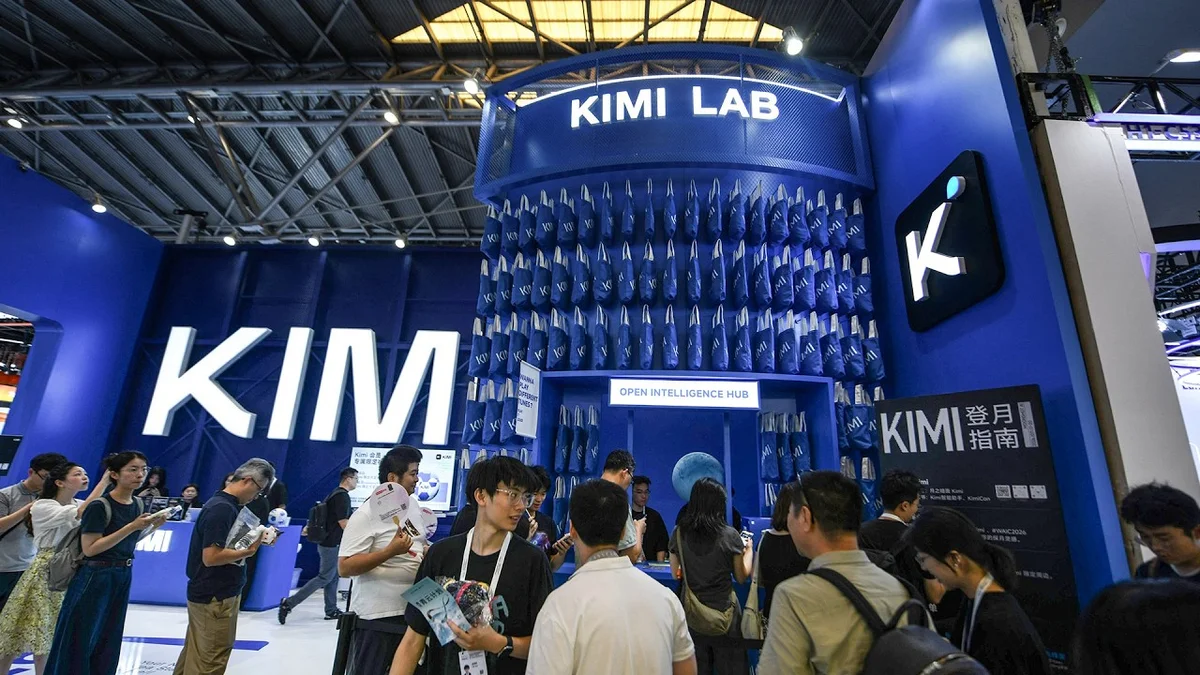
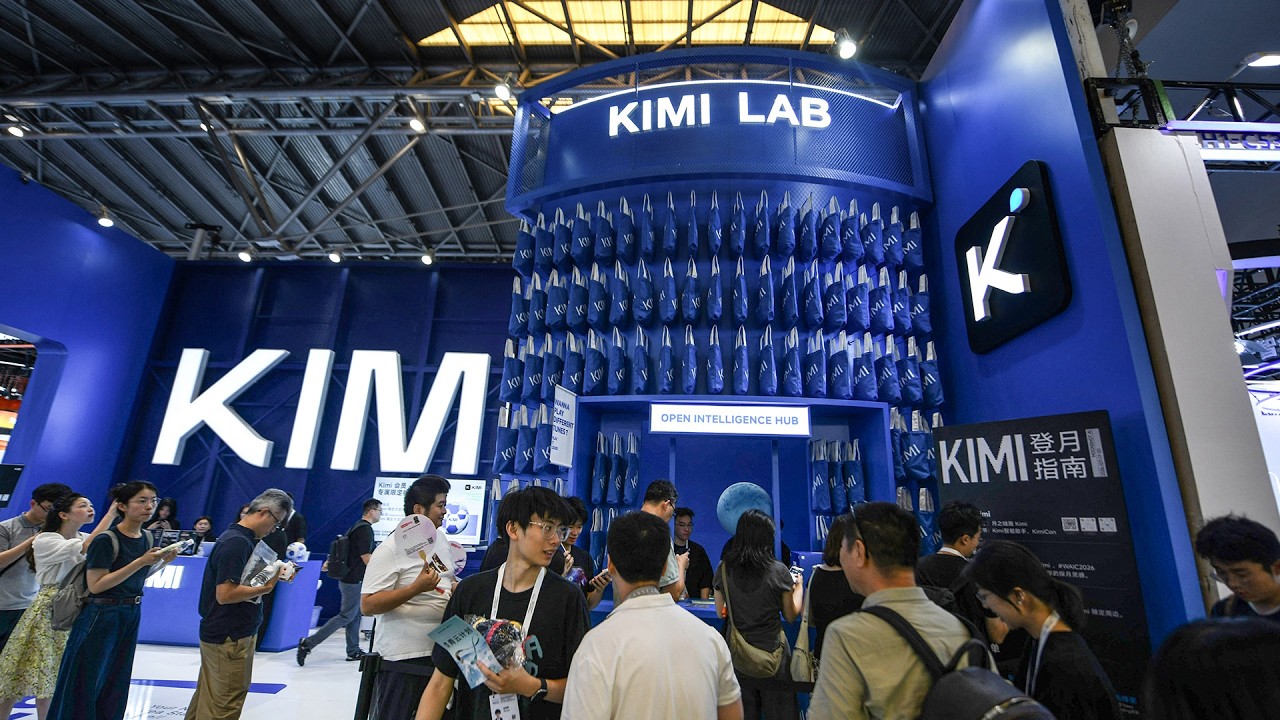
Minmin Low described the atmosphere at the World AI Conference in Shanghai as "insane," with "a huge amount of crowd" drawn to Moonshot AI's booth. The company unveiled its Kimi K3 model, the largest ever launched in China with 2.8 trillion parameters. Moonshot AI claims that Kimi K3 outperforms all its rivals, except for Anthropic's Claude 3 Opus and OpenAI's ChatGPT-4, which it claims to be comparable to or better than. This rapid advancement by a Chinese AI model, particularly given restrictions on accessing advanced chips from companies like Nvidia, has taken the global tech community by surprise.

The announcement triggered a significant market reaction, with stocks across Asia, particularly semiconductor-related ones, experiencing a sell-off. The concerns extend to the massive capital investments being made by companies like Samsung and SK Hynix in new fabrication plants. Investors are now questioning the justification for these expenditures if Chinese competitors can achieve similar or better results more cost-effectively.

The full discussion can be found on Bloomberg Podcast's YouTube channel.

New Chinese AI Model 'Kimi K3' Raises Pressure on US Spending - Bloomberg Podcast
New Chinese AI Model 'Kimi K3' Raises Pressure on US Spending, from Bloomberg Podcast

The 'Distillation' Debate and IP Concerns

Mike Sheppard introduced the concept of "distillation" in AI, a process where a larger, more complex model is used to train a smaller, more efficient one. He noted that this technique is common in AI development, but concerns are rising that some Chinese AI companies may be engaging in "distillation" in an "unfair and improper fashion," potentially violating terms of usage by extracting data and results from existing U.S. models to develop their own rival chatbots.

While specific accusations have not been leveled against Moonshot AI's Kimi K3, Sheppard referenced recent reports of Anthropic accusing Alibaba of a large-scale "distillation" campaign. This practice, he explained, involves extracting data and results from frontier models to create smaller, more focused, and less advanced models. The concern from Silicon Valley is that this approach bypasses the significant physical investments in infrastructure and R&D made by U.S. companies, allowing Chinese competitors to gain an advantage by building rival generations of AI at a lower cost.

Adding a geopolitical dimension, Sheppard mentioned that China's Deputy Foreign Minister has rejected these accusations. He anticipates this issue could become a point of discussion between Presidents Biden and Xi Jinping if their planned meeting in September proceeds.

China's Strategic AI Vision vs. US Approach

The conversation also delved into the contrasting national strategies for AI development. Elizabeth Economy, a fellow at Stanford University's Hoover Institution, was quoted stating that Chinese President Xi Jinping has a "grand vision" for deploying AI across all sectors of the economy, including education, logistics, and the military. In contrast, Economy suggested that the U.S. lacks a cohesive vision for making its advanced AI models practical and integrated into the economy without causing destabilization.

Minmin Low elaborated on China's approach, highlighting that the Chinese government is actively fostering the AI sector as a crucial export engine, especially as the country transitions away from industries like property. She noted the significant investments being poured into AI startups and referenced China's "AI Plus" plan, aimed at encouraging AI adoption across all economic sectors over the next decade. The elevated status of the World AI Conference in Shanghai, with President Xi's personal attendance and address, underscores AI's importance as a national priority.

Xi's speech emphasized a multilateral approach to AI governance, advocating for global learning and collaboration rather than a solo development path for any single country. China's state media, including the People's Daily, have also published editorials promoting AI as a "global public good." Xi announced initiatives such as offering AI training opportunities to developing countries and providing access to China's AI-powered meteorological system, positioning China as a leader in bridging the digital divide.

Impact on US Companies and Regulatory Outlook

Mike Sheppard addressed the implications for American companies, noting that many are focused on a "long game" despite the current market volatility. He pointed to statements from TSMC and SK Hynix, both anticipating strong demand for AI chips through 2030, and echoed by Nvidia's CEO Jensen Huang. However, the competitive pressure from China's cost-effective models and the open-weight approach, which allows for greater customization, is a significant concern.

Sheppard also discussed the potential for a new U.S. regulatory agency for AI, a move that companies might welcome for providing a clearer, more coherent framework, especially after recent export control actions. The proposed model, resembling FINRA for the broker-dealer industry, would be industry-funded with significant industry input on setting safety testing rules. This could offer U.S. AI labs a more predictable path for model development and deployment.
The broader economic impact is being felt as companies weigh the cost-effectiveness of Chinese AI services against those from U.S. providers. The ability of Chinese startups to offer services at lower rates, coupled with their models' capabilities and open-weight accessibility, presents a direct challenge to the massive investments made by U.S. tech giants.

© 2026 StartupHub.ai. All rights reserved. Do not enter, scrape, copy, reproduce, or republish this article in whole or in part. Use as input to AI training, fine-tuning, retrieval-augmented generation, or any machine-learning system is prohibited without written license. Substantially-similar derivative works will be pursued to the fullest extent of applicable copyright, database, and computer-misuse laws. See our terms.