

AI Selloff Ignores Data, Investor Says

An investor argues that AI stock selloffs ignore accelerating fundamentals, with data showing strong demand and revenue growth.

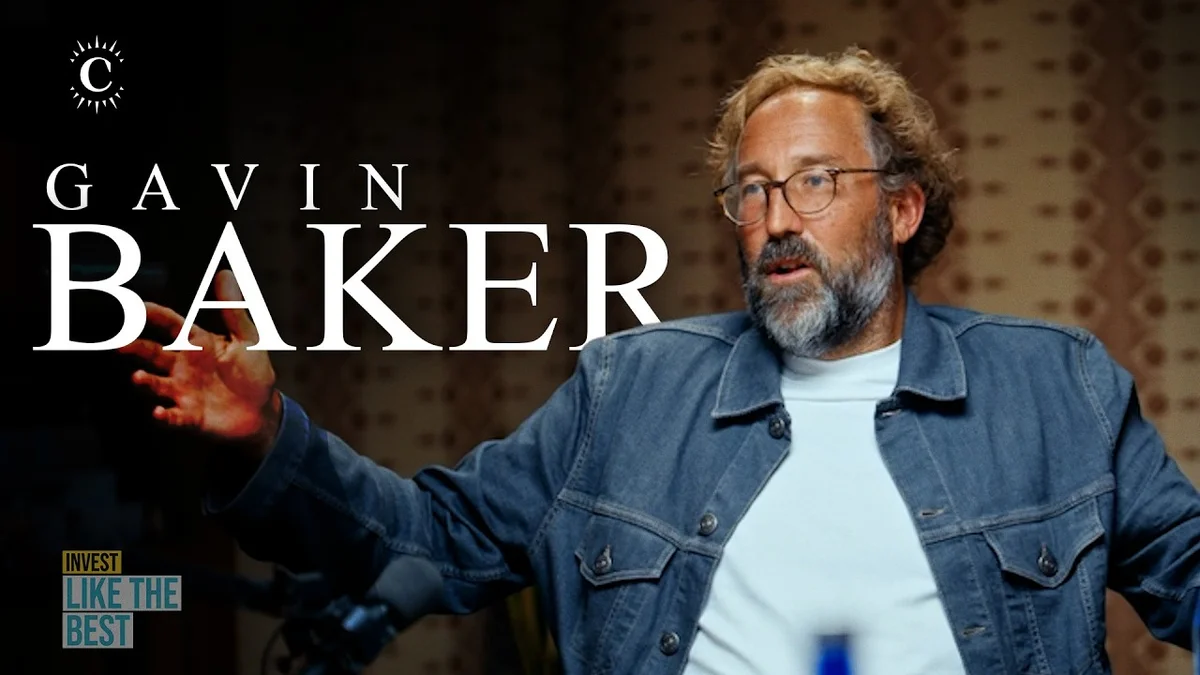
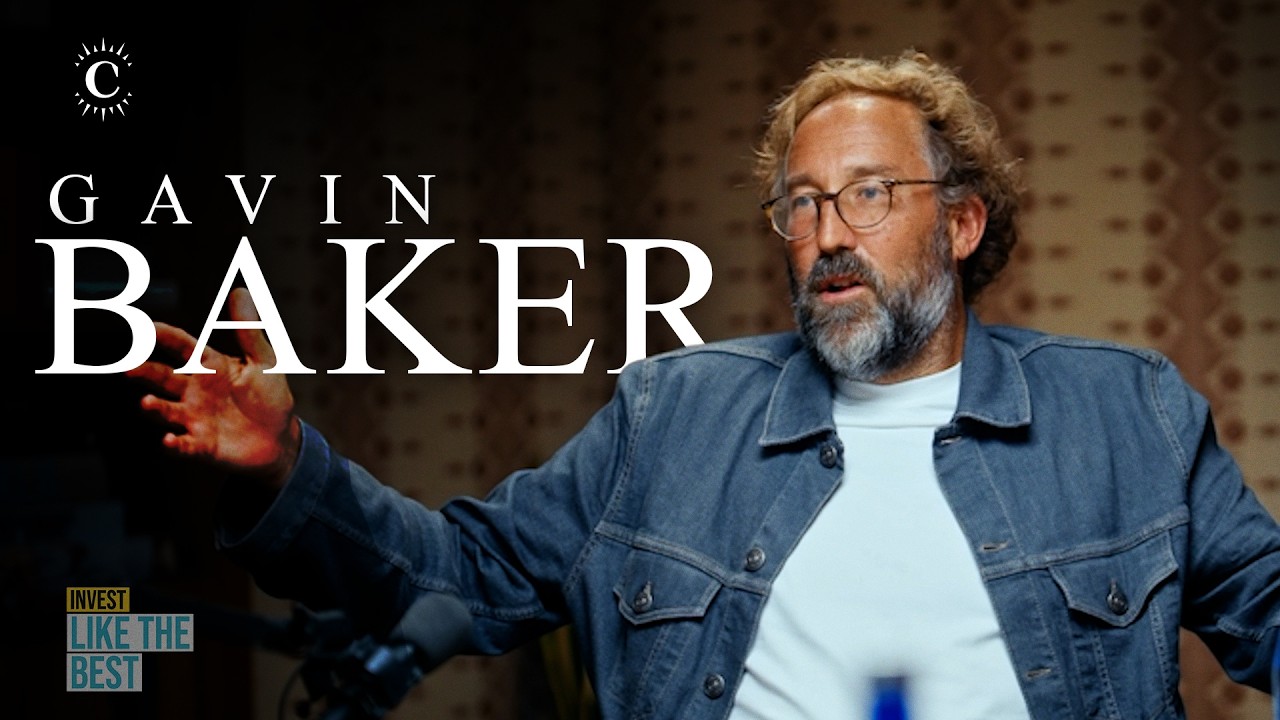
Gavin Baker and Patrick O'Shaughnessy discussing AI market trends.
Invest with the Best
Visual TL;DR
AI Stock SelloffDriver
many AI names dropped 50-60% from highs in a single month
From the articleThe recent market sell-off in AI stocks doesn't align with the underlying data, according to one prominent investor who argues that fundamental metrics for the sector are actually accelerating.
Positive Silicon Valley SentimentContext
From the articleDespite widespread market jitters, the sentiment on the ground in Silicon Valley remains overwhelmingly positive, with every quantitative metric pointing towards growth, not deceleration.
Investor PerspectiveCore
prominent investor highlights disconnect between market and data
From the article 8 mentionsThe investor pointed to the fact that companies like Meta Platforms Inc.
Nvidia DominanceCore
Nvidia's market dominance and new business models are key factors
From the article 4 mentionsEven if credit were required, the analysis indicated that the projected monetization rates for new hardware like Nvidia Corp.'s (NASDAQ:NVDA) Blackwell and Rubin chips would likely cover the credit demand.
Ignores Accelerating FundamentalsContext
investor argues selloffs ignore strong demand and revenue growth data
From the articleThe recent market sell-off in AI stocks doesn't align with the underlying data, according to one prominent investor who argues that fundamental metrics for the sector are actually accelerating.
Future Funding ConcernsDriver
credit concerns and future funding for AI companies are discussed
No Negative Quantitative DataContext
From the articleIn a recent discussion, an investor highlighted that while many AI names have seen significant drops from their highs, some by as much as 50-60% in a single month, there's a distinct lack of negative quantitative data emerging from the sector.
Metrics Show AccelerationEffect
From the articleInstead, metrics like GPU availability, GPU rental pricing, spot DRAM prices, and token growth are all showing signs of acceleration.
Contents(4)

The recent market sell-off in AI stocks doesn't align with the underlying data, according to one prominent investor who argues that fundamental metrics for the sector are actually accelerating. Despite widespread market jitters, the sentiment on the ground in Silicon Valley remains overwhelmingly positive, with every quantitative metric pointing towards growth, not deceleration.

Fundamentals Outpace Market Sentiment

In a recent discussion, an investor highlighted that while many AI names have seen significant drops from their highs, some by as much as 50-60% in a single month, there's a distinct lack of negative quantitative data emerging from the sector. Instead, metrics like GPU availability, GPU rental pricing, spot DRAM prices, and token growth are all showing signs of acceleration.

The full discussion can be found on Invest with the Best's YouTube channel.

The AI Selloff Doesn't Match the Data | Top AI Investor Explains - Invest with the Best
The AI Selloff Doesn't Match the Data | Top AI Investor Explains, from Invest with the Best

The investor pointed to the fact that companies like Meta Platforms Inc. (NASDAQ:META) are not cutting capital expenditures as some analysts feared, but rather optimizing their compute resources. This strategy, along with the release of advanced models like Meta's Llama 2 (though not explicitly named in the transcript, it's implied by the discussion around open-source models and compute) and advancements from OpenAI and other labs, indicates continued strong demand for AI infrastructure.

Visibility Gaps and Market Misinterpretations

A key challenge, the investor suggested, is the market's lack of visibility into the operations of private AI companies and open-source inference clouds. When this data is considered, a much more positive picture emerges, showing massive acceleration driven by new model releases like those from Mistral AI (implied by 'GLM 5.2') and Meta AI ('Kimi K3' likely refers to a Meta model, potentially Llama 3, given the context of competition with Anthropic and OpenAI). These advancements are fueling demand across the board, from large hyperscalers to smaller open-source projects.

The conversation touched on specific events that caused market jitters, such as Meta's decision to rent out compute capacity. While interpreted negatively by some as a sign of excess capacity, the investor argued it was a strategic move to monetize existing assets at a premium, potentially to fund further capital expenditures and growth. Similarly, the market's reaction to a dip in a "token index" was seen as a misinterpretation; the shift towards open-source tokens, while potentially impacting margins at the frontier model layer, ultimately drives more demand for the underlying compute infrastructure.

Credit Concerns and Future Funding

A significant point of discussion revolved around the rising real yields and widening credit spreads, which could be a concern for debt-fueled build-outs. However, the investor suggested that strong operating cash flows from hyperscalers like Microsoft Corp. (NASDAQ:MSFT), Amazon.com Inc. (NASDAQ:AMZN), and Meta are likely sufficient to fund the necessary compute expansion. Even if credit were required, the analysis indicated that the projected monetization rates for new hardware like Nvidia Corp.'s (NASDAQ:NVDA) Blackwell and Rubin chips would likely cover the credit demand. The argument is that if compute reprices higher as contracts roll off, the credit metrics will improve, making financing easier.

The investor stressed that the core question remains whether the quantitative demand signals will sustain, leading to higher operating cash flows and the ability to fund the build-out primarily through internal cash generation. The current market sentiment, focused on potential negatives like credit, seems to overlook the accelerating operating cash flows that are already evident.

Nvidia's Dominance and New Business Models

The conversation also touched upon Nvidia's dominant position and its potential to further strengthen it through new business models. The investor noted that Nvidia's involvement with startups, including taking equity stakes, positions them well to benefit from the AI boom. Nvidia's strategy of offering a "credit wrapper" with revenue sharing for GPUs above a certain price floor could lead to a substantial cloud business through royalties, alleviating cash flow mismatches and reinforcing their competitive moat.

Furthermore, the discussion highlighted the game theory at play, where companies like OpenAI and SpaceX are aggressively securing compute to maintain their edge. This intense competition, coupled with the potential for significant revenue growth, suggests that the demand for AI infrastructure will remain robust, even if it requires careful financial management.

© 2026 StartupHub.ai. All rights reserved. You may not republish this article in full without a license. Search engines and AI research tools may crawl and summarize for reference. Bulk reproduction or model training requires a license. See our terms.
Daniel Singer

Written by

Daniel Singer

Editor, StartupHub.ai

Daniel Singer is the editor of StartupHub.ai, a technology expert and thought leader on AI and its applications across sectors, from fintech and healthcare to developer tooling and consumer software. He writes and tests the tools covered here thoroughly and regularly, and built StartupHub.ai to give founders, operators and buyers a clearer read on what they are actually being sold.