

AI Agents as 'Lobsters': Peter Steinberger on the Future of Work

Peter Steinberger explains how AI agents, akin to 'lobsters,' are poised to revolutionize industries by automating tasks and augmenting human capabilities.

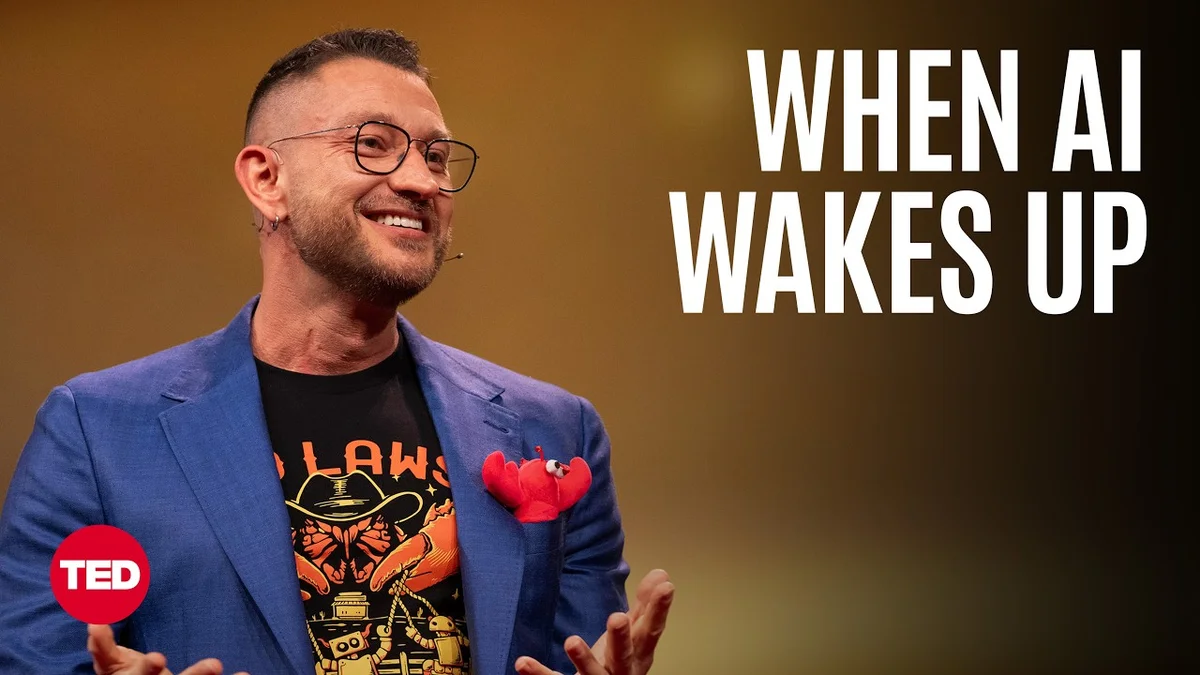
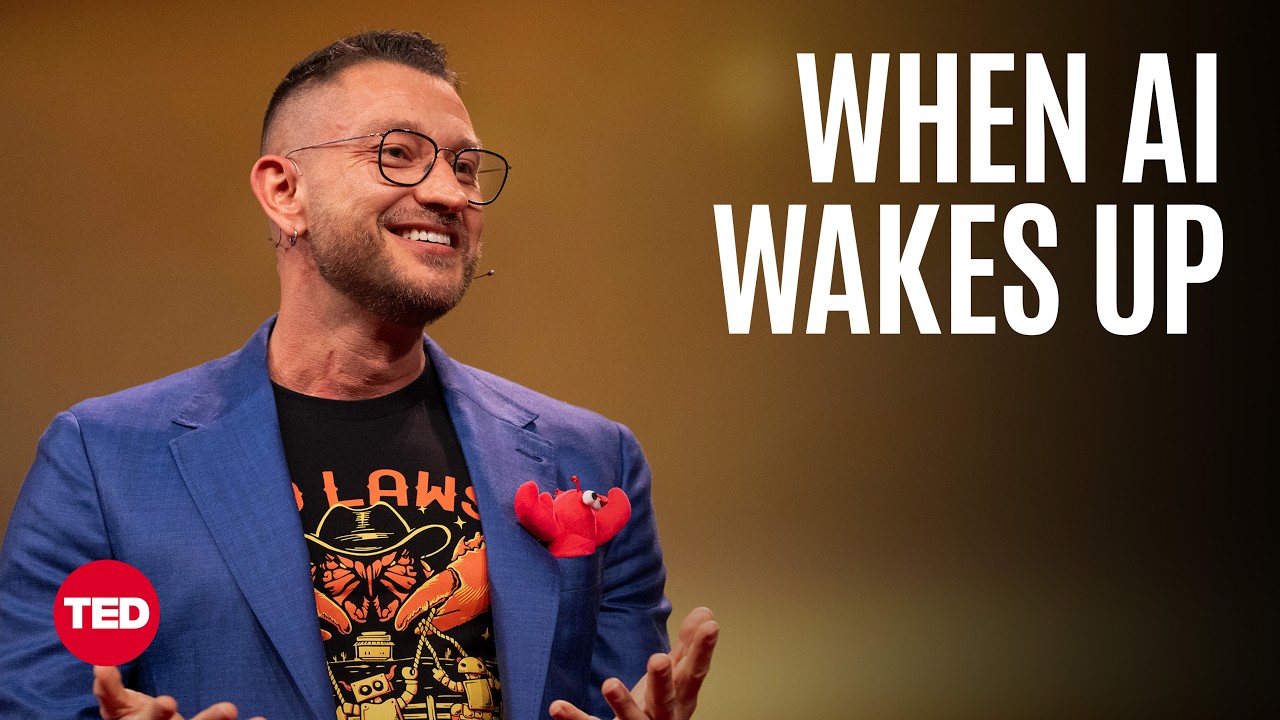
Peter Steinberger on stage at TED, wearing a blue blazer and a t-shirt with a graphic.
Image credit: TED· YouTube
Visual TL;DR
Peter Steinberger's AI InsightCore
From the articlePeter Steinberger, a seasoned software developer and entrepreneur, shared his insights on the burgeoning field of AI agents at a recent TED event.
'Lobster' AnalogyContext
AI agents like lobsters, capable of complex trained tasks
From the article 3 mentionsSteinberger introduced a compelling analogy to explain the potential of AI agents: the 'lobster'.
AI Agent CapabilitiesEffect
finding restaurants, translating, generating code in 90 seconds
From the article 9+ mentionsThis agent, which he nicknamed the 'lobster' due to its ability to 'claw' its way into tasks and its sophisticated capabilities, demonstrated a level of intelligence and autonomy that shifted his perspective.
Beyond Simple ChatbotsContext
AI agents are more than just basic conversational tools
From the articleHe explained that just as a lobster can be trained to perform complex tasks, AI agents are capable of much more than simple chatbots.
Future of WorkOutcome
automating tasks and augmenting human capabilities across industries
From the article 2 mentionsHe concluded by expressing his optimism about the future of AI and its potential to augment human capabilities.
Revolutionizing IndustriesEffect
AI agents poised to transform how work gets done
From the articleSteinberger emphasized the potential for AI agents to revolutionize various industries by automating mundane and repetitive tasks.
Peter Steinberger, a seasoned software developer and entrepreneur, shared his insights on the burgeoning field of AI agents at a recent TED event. Steinberger, who has been programming since he was 14 and dedicated a decade of his life to building a venture capital firm, recounted his journey into the world of AI. He described his initial skepticism about AI agents, viewing them as mere tools rather than partners.

AI Agents as 'Lobsters': Peter Steinberger on the Future of Work - YouTube
AI Agents as 'Lobsters': Peter Steinberger on the Future of Work, from YouTube

The 'Lobster' Analogy for AI Agents

Steinberger introduced a compelling analogy to explain the potential of AI agents: the 'lobster'. He explained that just as a lobster can be trained to perform complex tasks, AI agents are capable of much more than simple chatbots. He shared his personal experience of creating a chatbot that could perform tasks like finding restaurants, translating languages, and even generating code, all within a 90-second timeframe.

He highlighted a pivotal moment in his understanding of AI when he encountered a specific AI agent. This agent, which he nicknamed the 'lobster' due to its ability to 'claw' its way into tasks and its sophisticated capabilities, demonstrated a level of intelligence and autonomy that shifted his perspective. He noted that this agent could perform tasks that would typically require human intervention, such as analyzing data, writing reports, and even generating creative content.

The Future of Work with AI Agents

Steinberger emphasized the potential for AI agents to revolutionize various industries by automating mundane and repetitive tasks. He believes that by offloading these tasks to AI, humans can focus on more creative and strategic endeavors. He also touched upon the importance of human oversight and the ethical considerations surrounding the development and deployment of AI agents.

He concluded by expressing his optimism about the future of AI and its potential to augment human capabilities. Steinberger suggested that as AI agents become more sophisticated, they will play an increasingly integral role in our lives, transforming the way we work, learn, and interact with the world around us.

© 2026 StartupHub.ai. All rights reserved. You may not republish this article in full without a license. Search engines and AI research tools may crawl and summarize for reference. Bulk reproduction or model training requires a license. See our terms.
Daniel Singer

Written by

Daniel Singer

Editor, StartupHub.ai

Daniel Singer is the editor of StartupHub.ai, a technology expert and thought leader on AI and its applications across sectors, from fintech and healthcare to developer tooling and consumer software. He writes and tests the tools covered here thoroughly and regularly, and built StartupHub.ai to give founders, operators and buyers a clearer read on what they are actually being sold.

More from Daniel Singer