

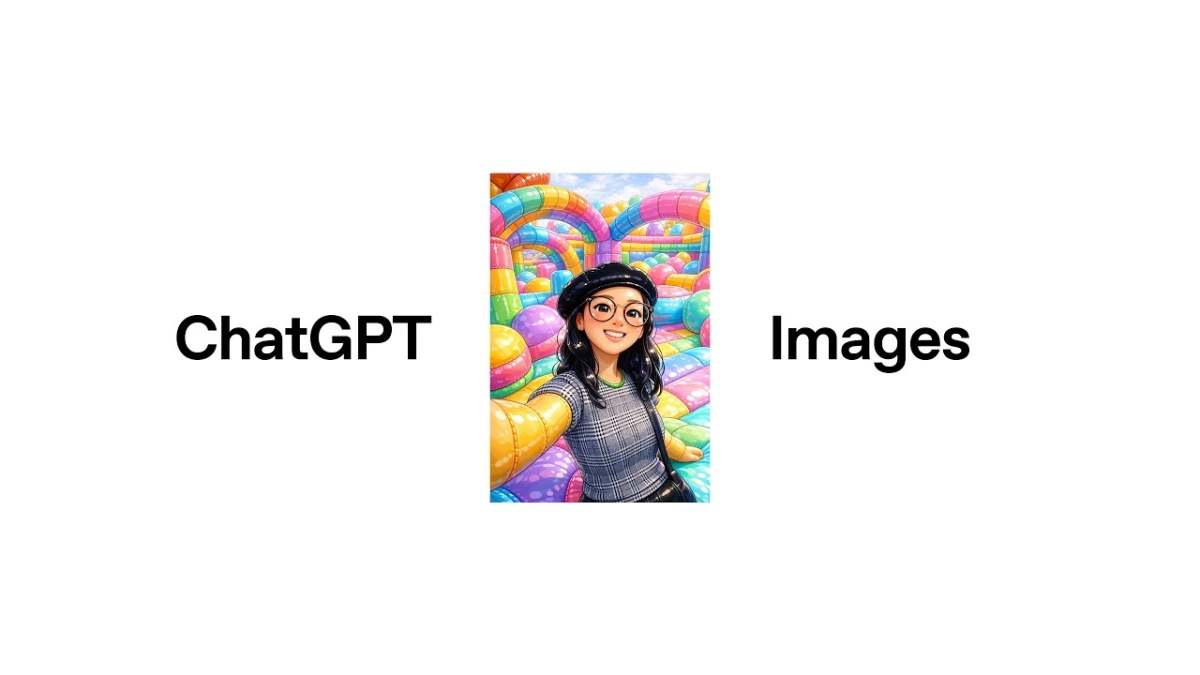
The latest iteration of ChatGPT Images, powered by OpenAI’s new flagship image generation model, GPT Image 1.5, signals a profound shift in the accessibility and flexibility of visual content creation. This release, demonstrated through a dynamic visual showcase, moves beyond simple image generation to offer sophisticated editing and stylistic transformations that were once the exclusive domain of specialized software and skilled artists. It presents a robust suite of capabilities that fundamentally democratize advanced visual manipulation, inviting a broader user base to engage with complex creative tasks with remarkable ease.
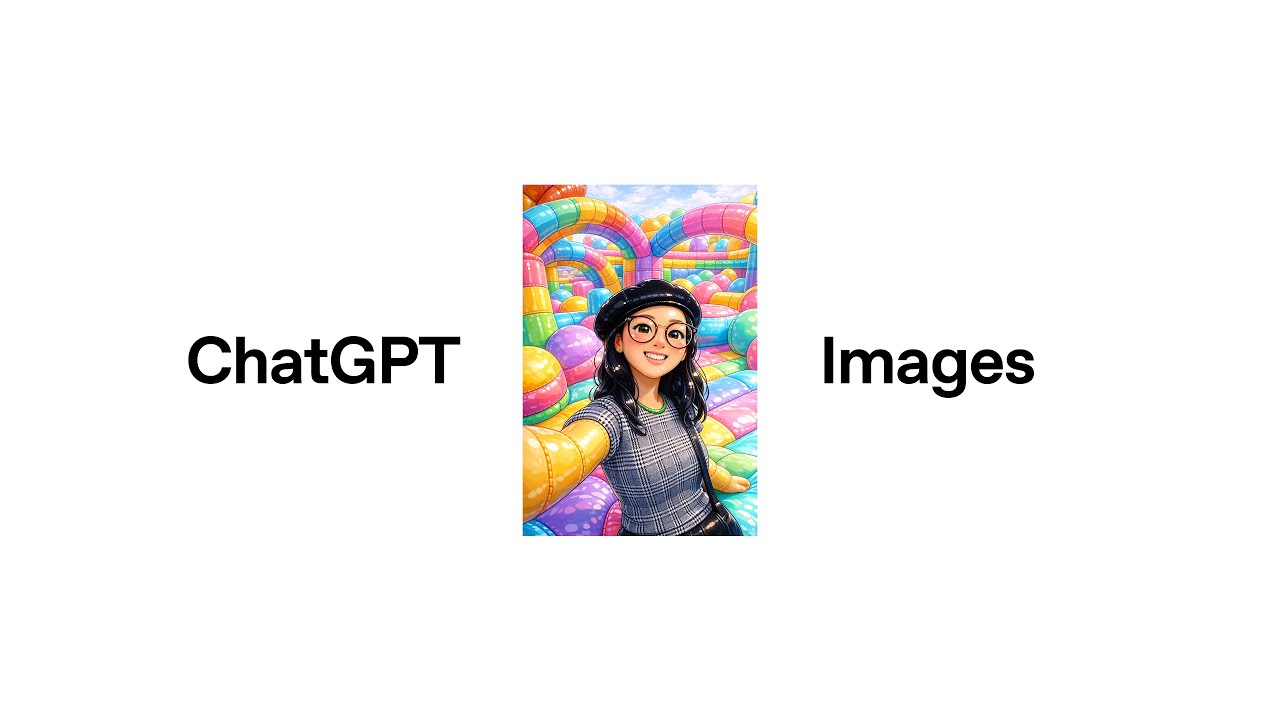
This video, released by OpenAI, serves as a compelling demonstration, showcasing the latest iteration of ChatGPT Images, powered by their new flagship image generation model, GPT Image 1.5. The presentation highlights a range of functionalities, from subtle alterations to dramatic scene reconstructions, all executed through intuitive prompts rather than traditional design tools. The core message is one of enhanced control and creative freedom, allowing users to manifest their visual ideas with unprecedented directness and speed.
One of the most striking aspects of the new model is its ability to perform highly nuanced and contextual edits. The demonstration fluidly transforms a single selfie into a multitude of variations, altering everything from hairstyles and eyewear to entire wardrobes and background environments. A person’s appearance is seamlessly modified with different hats or sunglasses, and the surrounding landscape can transition from an autumn park to a winter wonderland with a snowman, all while maintaining the subject's identity and photographic integrity. This capability underscores a key insight: AI-driven editing is no longer about brute-force pixel manipulation but about understanding and intelligently recomposing visual narratives. The model excels at making "precise edits while keeping details intact," a testament to its advanced contextual awareness and generative finesse.
Beyond mere alterations, the video showcases the model’s prowess in compositional changes, such as adding or removing elements from existing photographs. A family portrait, initially featuring two people, is effortlessly expanded to include a third person and even a pet dachshund, all rendered with consistent lighting, perspective, and photographic style. This seamless integration extends to dramatically altering entire scenes, transporting the family from a casual park bench to exotic locales, underwater with scuba gear, skiing down a snowy slope, skydiving through clouds, or even exploring the lunar surface and deep space. Such transformations highlight the model's capacity for complex scene understanding and imaginative synthesis, far exceeding previous generative models.
The speed at which these intricate visual changes are executed is another critical advancement. The video description explicitly states that the new model "generates images up to 4x faster." For founders and VCs evaluating the potential of such technology, this speed is not merely a convenience; it is a fundamental driver of productivity and iterative design. Rapid prototyping of marketing materials, quick generation of diverse product shots, or accelerated visual storytelling become tangible benefits, significantly compressing creative cycles and enabling more agile business operations. This efficiency translates directly into reduced costs and increased output, making it an invaluable tool for any enterprise reliant on visual communication.
