

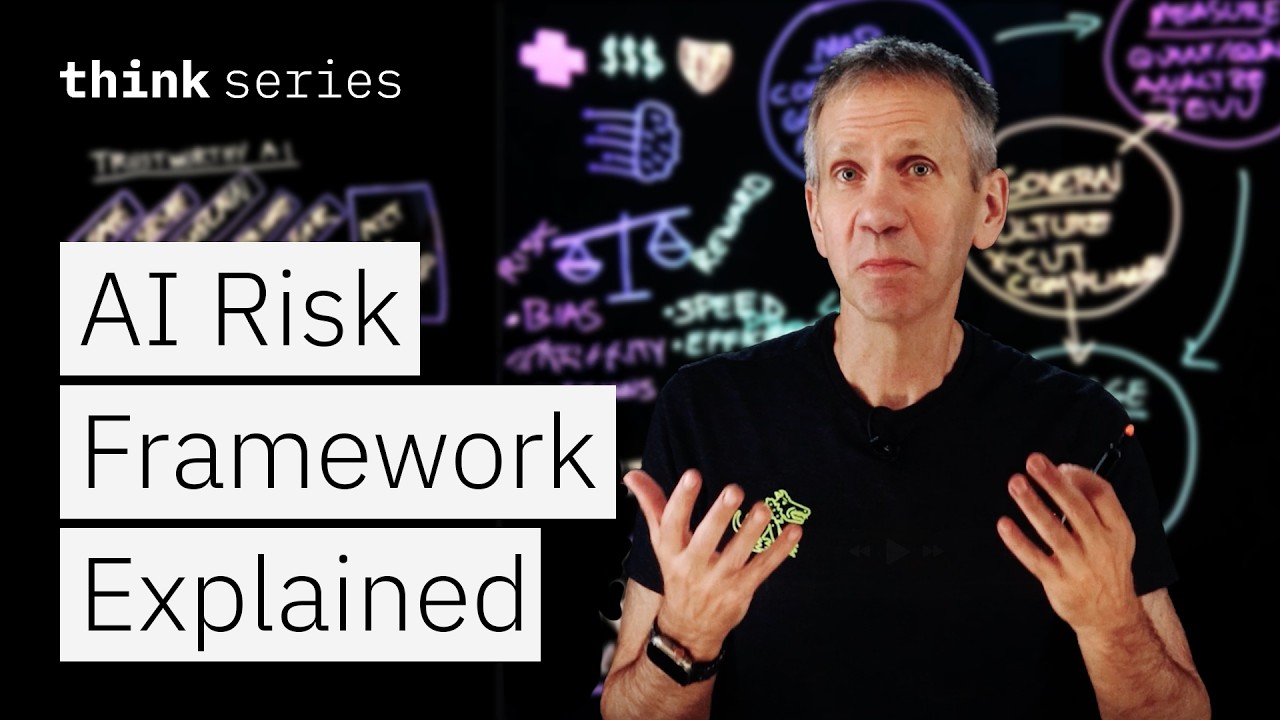
“With great power comes great risk.” This foundational insight from Jeff Crume, PhD, Distinguished Engineer at IBM, underscores the critical need for robust risk management as artificial intelligence permeates every industry. In a recent presentation, Crume elucidated the NIST AI Risk Management Framework, offering a structured approach to fostering trustworthy AI systems. His analysis provides a vital blueprint for founders, venture capitalists, and AI professionals navigating this transformative landscape.
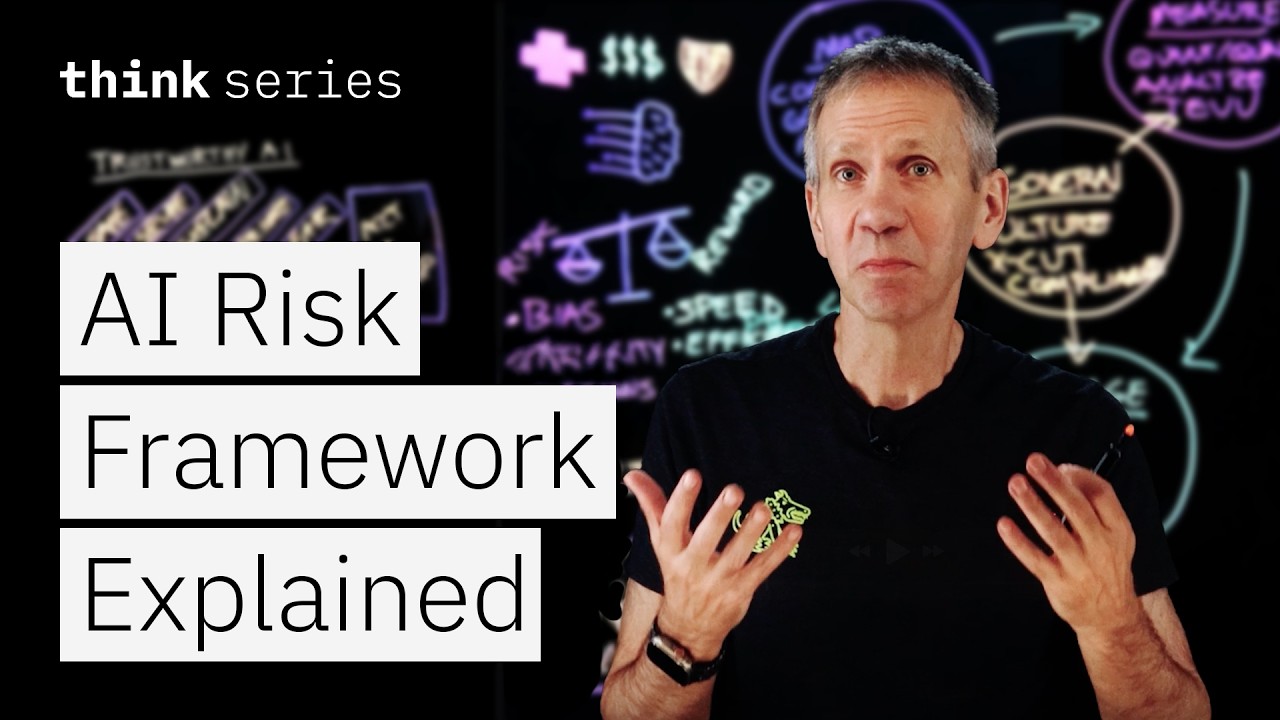
The core premise is that for AI to be truly trustworthy, it must possess several key characteristics. NIST defines these as validity and reliability, ensuring the AI’s outputs are accurate and make logical sense. An AI must also be safe, preventing harm to human life, property, or the environment. Furthermore, security and resilience are paramount; as Crume notes, "bad guys will try to break it," necessitating defenses against unavailability, data leakage, or adversarial poisoning.
Beyond technical robustness, trustworthy AI demands explainability and interpretability, allowing domain experts, not just technologists, to understand its decisions. Privacy preservation is equally vital, ensuring sensitive information remains confidential. Fairness is a non-negotiable attribute, preventing bias against any population, which would, in turn, compromise the system's validity. Finally, AI systems must be accountable and transparent, shedding the "black box" mystique so stakeholders can understand their inner workings.
The NIST AI Risk Management Framework’s operational core comprises four interconnected functions: Govern, Map, Measure, and Manage. Governance sets the overarching culture and ensures compliance with organizational and regulatory standards, acting as a cross-cutting concern that influences all other phases. This initial step establishes the ethical and operational boundaries for AI deployment.
The "Map" function involves setting the context for the AI system. This includes defining clear goals, identifying all actors and stakeholders involved in the AI pipeline, and establishing the organization’s tolerance for risk. Understanding these elements is crucial for a comprehensive risk assessment.