

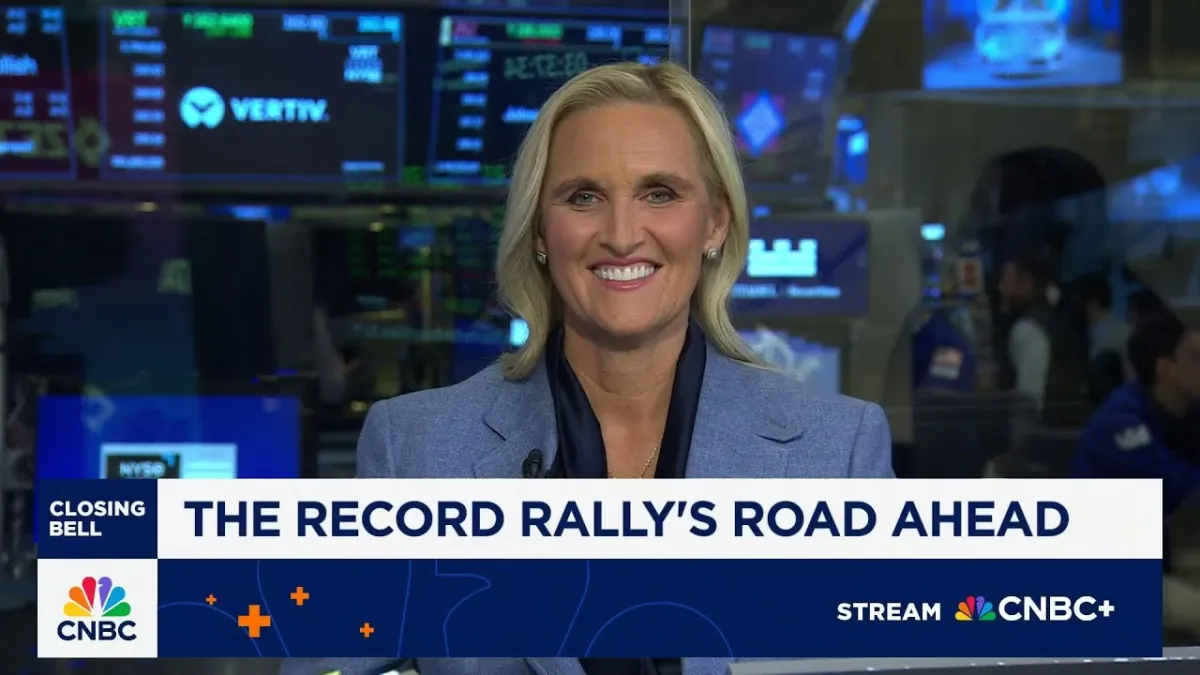
"There is still room to move higher in AI trade," asserts Sherry Paul, Morgan Stanley Private Wealth Advisor, cutting directly to the core of market optimism surrounding artificial intelligence. This sentiment, delivered amidst daily conversations about potential AI bubbles, offers a compelling counter-narrative for sophisticated investors navigating the current economic landscape.
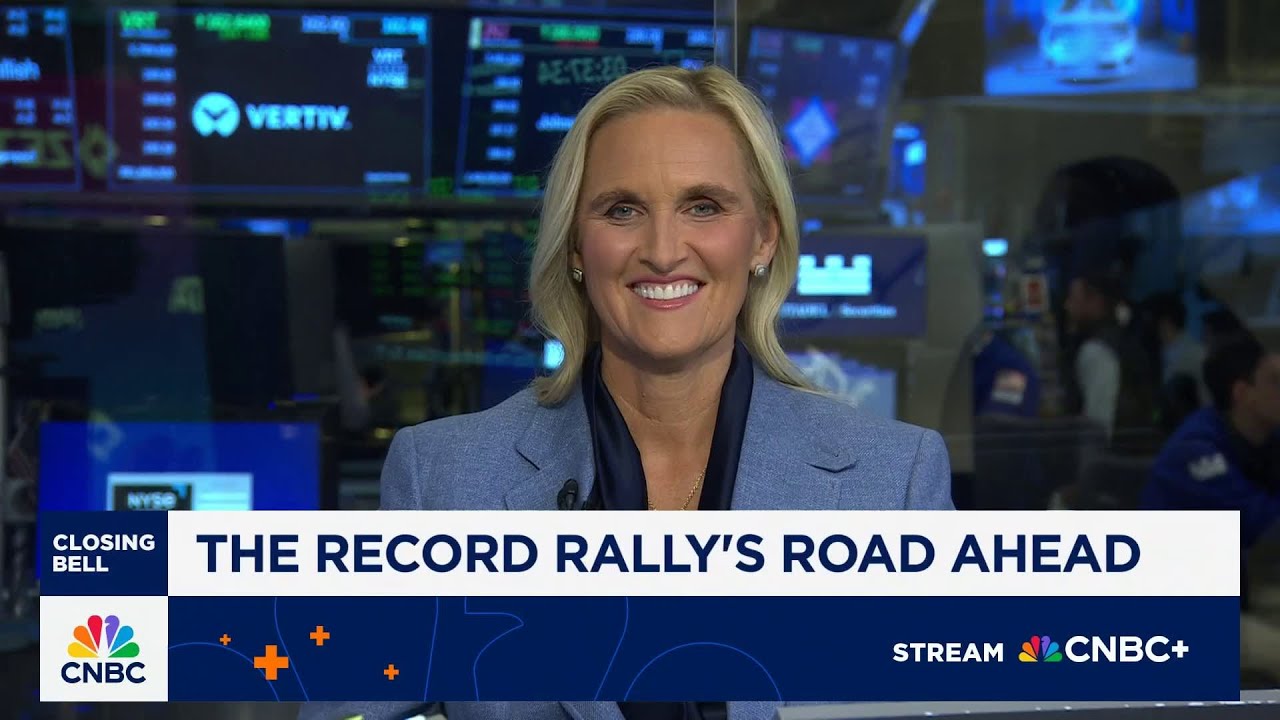
Sherry Paul, a Senior Portfolio Managing Director at Morgan Stanley, recently joined Scott Wapner on CNBC's 'Closing Bell' to discuss the remarkable strength of equity markets and the enduring trajectory of the AI-driven rally. The conversation delved into whether the current market surge is sustainable or destined for a harsh correction, with Paul presenting a robust case for continued growth, particularly within the burgeoning AI sector.
Paul’s assessment is grounded in several fundamental economic strengths, positioning the current market rally as more than just speculative fervor. She highlights the impressive streak of "30 new all-time highs" in the market this year, indicative of broad-based momentum. Furthermore, she points to a significant "$5 trillion sitting in cash" on the sidelines, coupled with low unemployment, as powerful tailwinds. These factors, alongside upward earnings revisions, impending corporate tax cuts in January, ongoing deregulation, and a heating up M&A landscape, create a potent environment for sustained market appreciation.
Central to this optimistic outlook is artificial intelligence, which Paul describes as "an accelerant to all things." This perspective suggests that AI is not merely a sector-specific boom but a transformative force capable of driving efficiency and growth across diverse industries.
Addressing the pervasive "AI bubble" discourse, Paul offers a nuanced view, cautioning against a myopic focus on traditional valuation metrics in such dynamic times. She contends that "the mathematics of diversification also stretch... I think that's where your bubble folks get a little bit hung up is on P/Es and correlation and they're missing the moment on like, wow, we have an idea here that is going to accelerate and consolidate very rapidly over the next few years. You don't want investors to miss that." Her argument is that radical moments of innovation necessitate a different lens, where future earnings growth can quickly rationalize seemingly elevated price-to-earnings ratios.